Our Approach

Our approach helps Congolese citizens – young people first – build stronger relationships with the institutions that serve them: schools, health centres, administrations and courts.

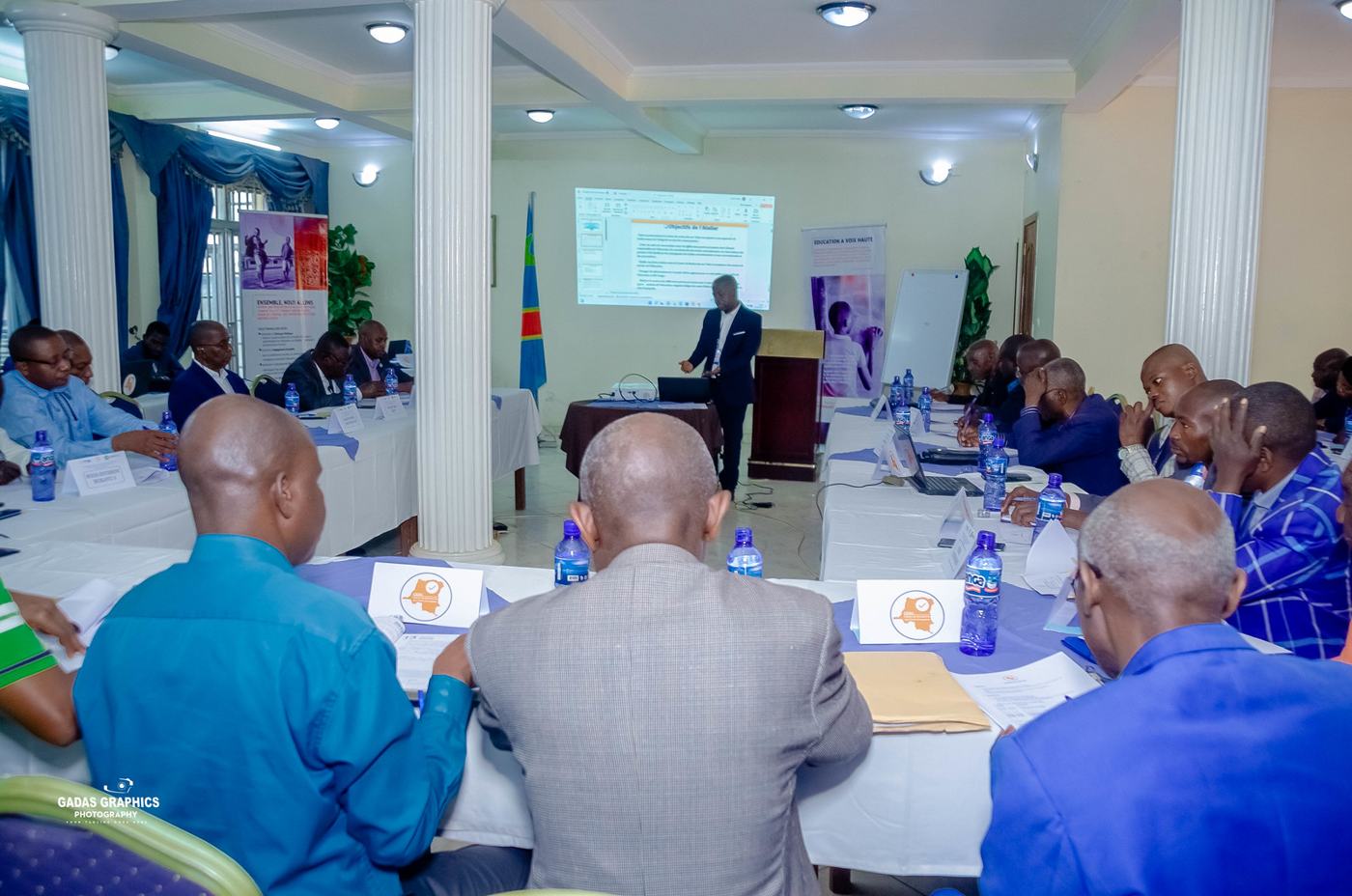
The consultation workshop on integrity education in secondary schools, Kinshasa, July 2022

CERC specialises in citizen-centred accountability: making sure that public services meet the needs of everyone who uses them, and that public money goes where it should.

We build on relationships and trust between citizens and public servants. Rather than only exposing problems, we help both sides solve them together.

To do this we use two methods: citizen monitoring, with our apps, in health, education, administration and public services, and for the implementation of the UNCAC; and Integrity Clubs, where students monitor education in their own school.

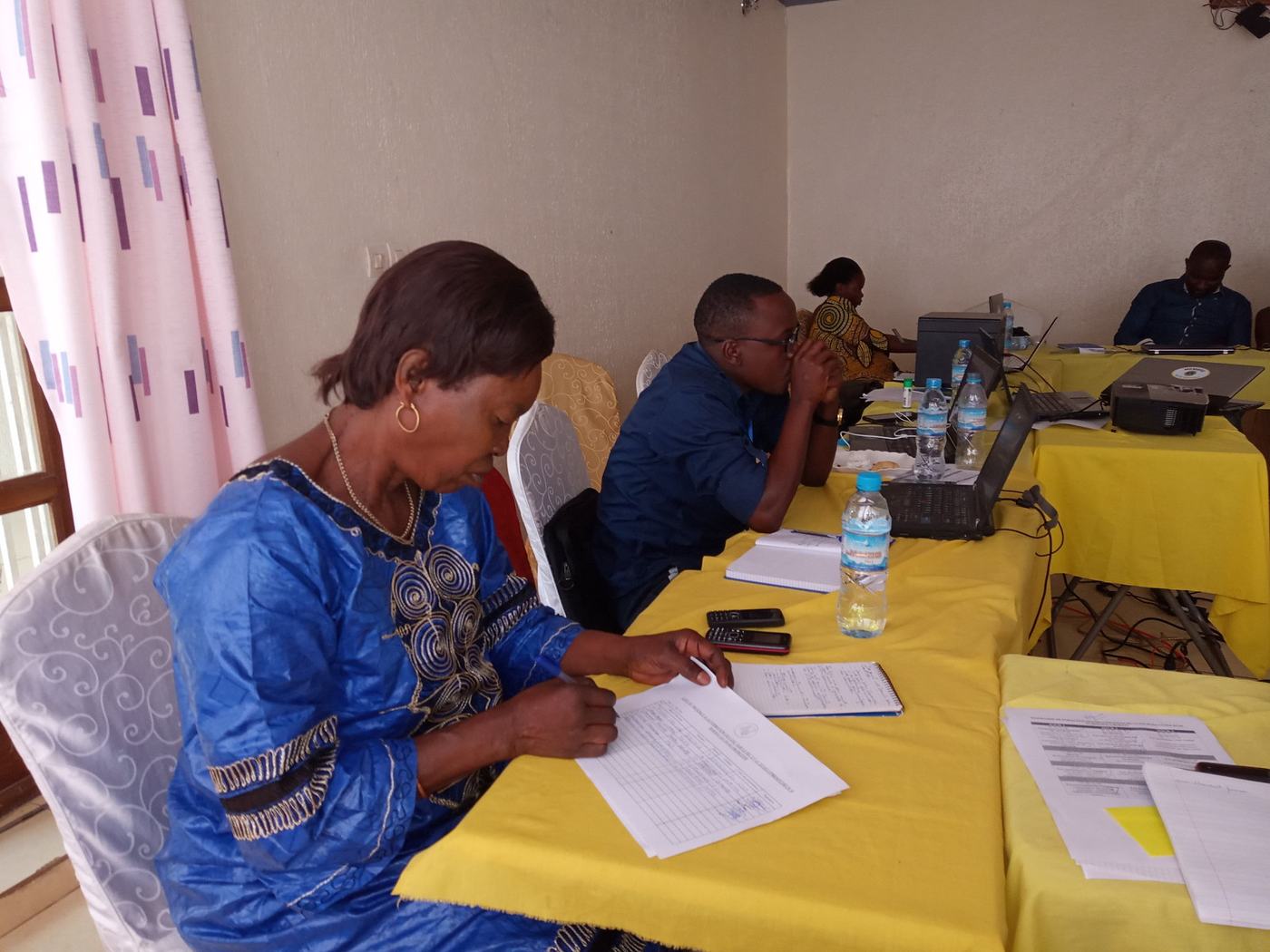
A citizen monitoring training session, Uvira, 2018

Citizen monitoring

Citizen monitors assess the quality of essential services – schools, health centres, infrastructure projects, public revenue –, report problems publicly with our apps or our social alert system, and work with those responsible to fix them.

Find out more
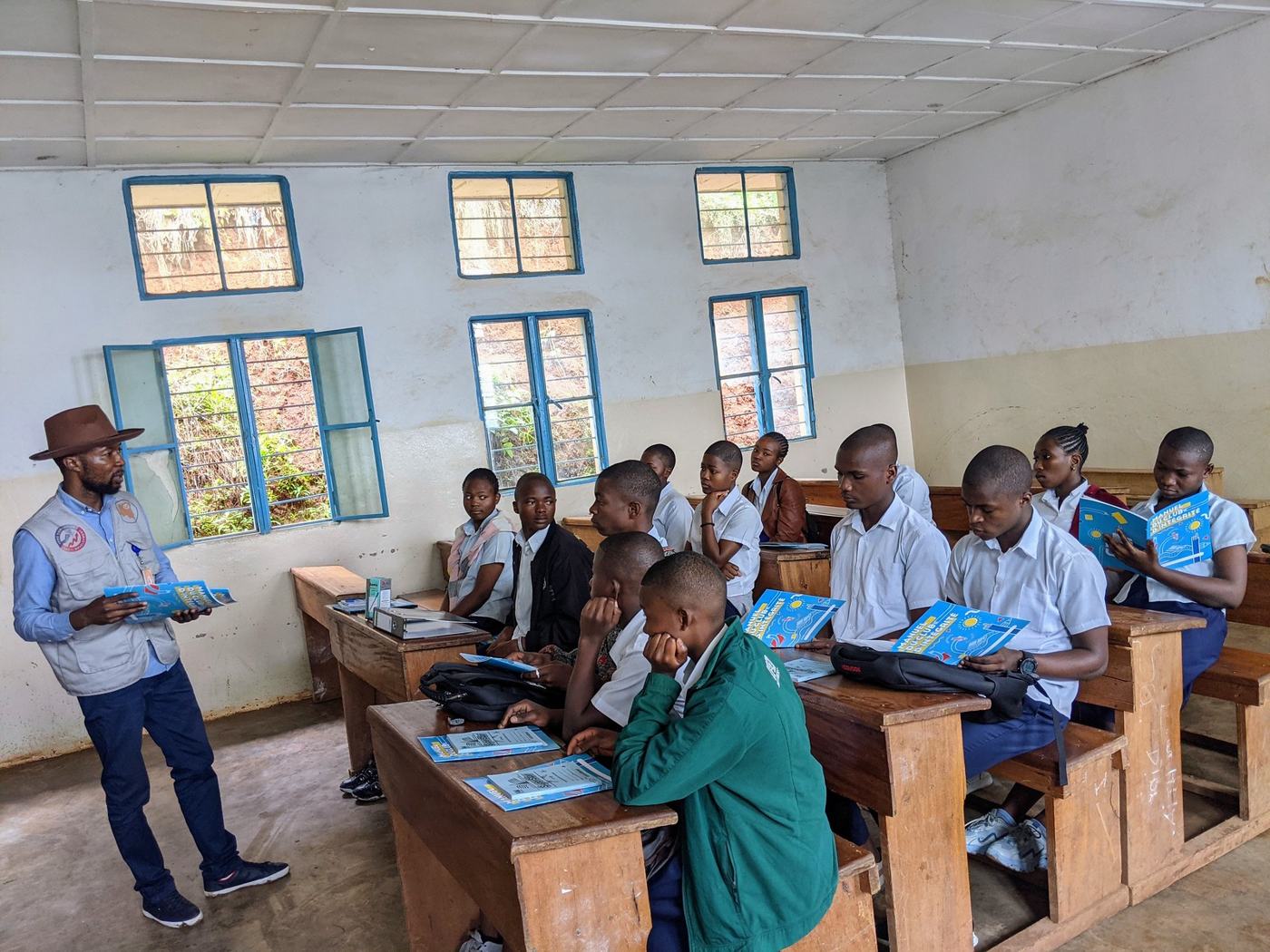
An Integrity Club in a secondary school

Integrity Clubs

Groups of students – and, since 2024, university students – monitor essential services and projects in and around their school or university, and discuss them with their head teachers, their parents and the authorities.

Find out more

What sets our approach apart

  1. Putting citizens first

    Our tools start from citizens’ interests, motivations, agency and time. They must deliver tangible results for them, in the short and the long term.

  2. Feedback and appraisal

    Feedback is subjective: how users feel. Appraisal is objective: what was promised compared with what was delivered – budget, deadlines, quality. We collect both.

  3. Solving problems, building trust

    We bring citizens and those responsible together – head teachers, parents’ committees (COPA), health committees (CODESA), local authorities –, online or in person, to agree on improvements. In 2022, 33% of the problems students reported were fixed.

  4. Digital and on the ground

    Our apps are simple and work on a weak connection. They are backed by meetings, posters and a toll-free number – and, where needed, everything happens offline.

  5. A breadth of data, in real time

    Citizens and those responsible decide together what data to collect. It informs advocacy and planning, from the school up to Parliament.

3Good health and well-being4Quality education5Gender equality10Reduced inequalities16Peace, justice and strong institutions17Partnerships for the goals

Services that change lives

When services are delivered as promised, lives change: students learn with teachers who are present and trained, patients find care and medicines, roads and schools last.

The problems our monitors identify and get fixed contribute to the Sustainable Development Goals, which all nations have committed to reach by 2030 – above all SDG 16: peace, justice and strong institutions.

Have a question?

Get in touch Partner with us