

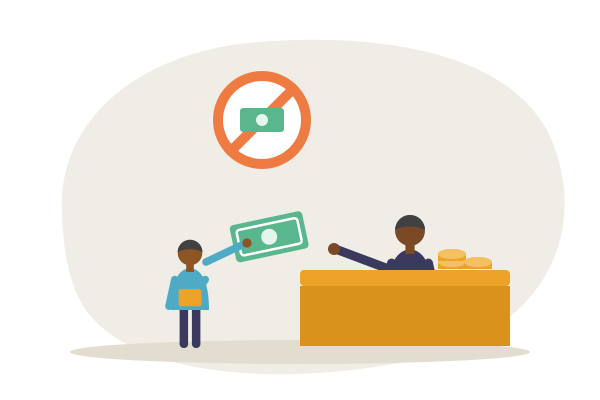
Paying for a free school
Illegal fees push the poorest children out of the classroom.
Integrity Clubs are groups of pupils who check that their school delivers what it promises – and work with teachers, parents and officials to fix what does not.
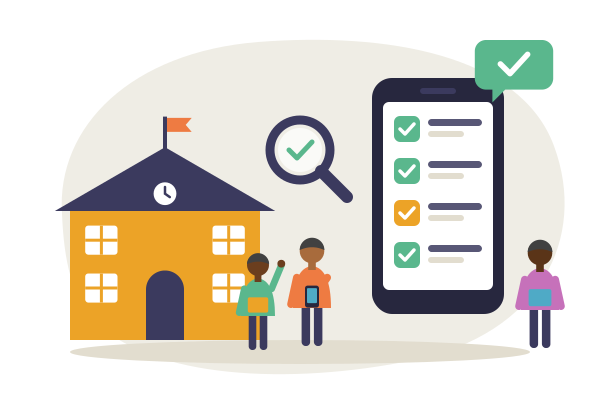
Paying for a school that should be free, teachers who do not come, schools that cannot take every child: corruption blocks access to education and erodes its quality.
Illegal fees push the poorest children out of the classroom.
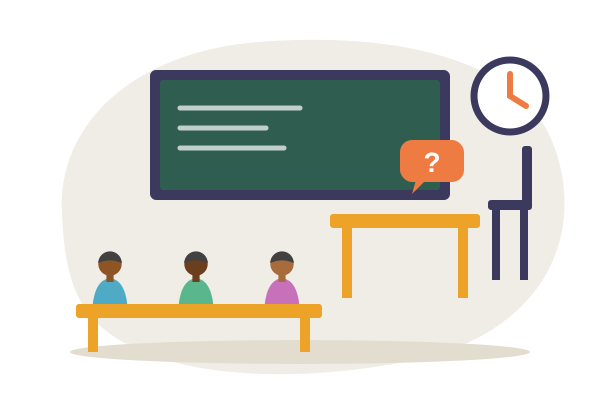
Every absent teacher means lost lessons – and a learning crisis no one sees.
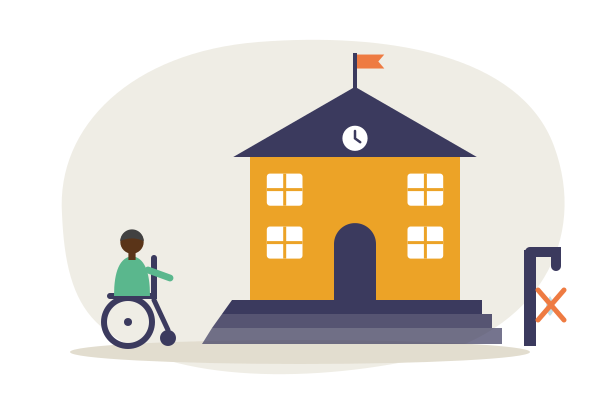
Without ramps, water or safe buildings, the most vulnerable children are left behind.
The DRC raised education’s share of the national budget from 6.5% to 20% by 2020. But pupils, parents and communities lack the information to hold schools to account, and officials lack reliable school-level data to see where the money goes.
Integrity Clubs are spaces run by pupils, where they learn and practise integrity. Without investing in bricks and mortar, CERC helps them get their schools fixed.
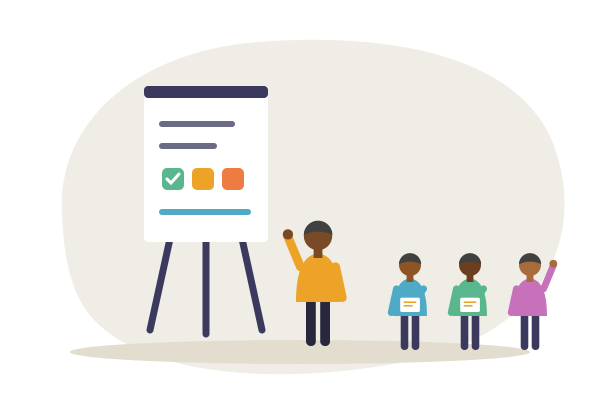
Pupils learn to gather evidence and to advocate with school officials, with integrity education manuals and monitoring guides.
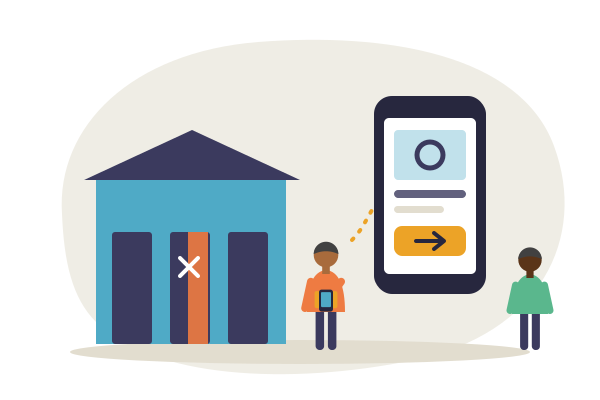
They check classrooms, latrines, water and school materials, and report what they find with the EduCheck app.

Pupils, teachers, head teachers, parents’ committees and officials meet and agree on what to do.
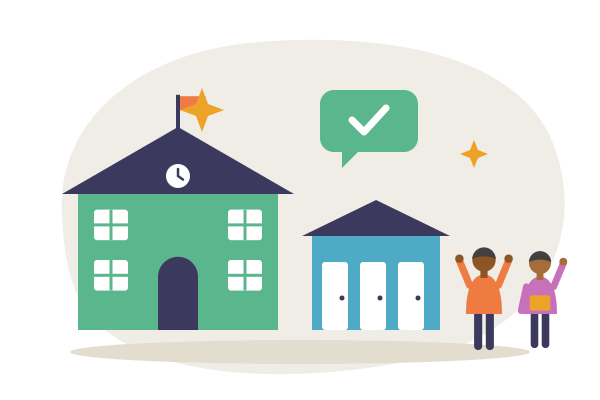
Problems get solved: one in three of the problems pupils reported has been fixed.
Reliable, real-time data from each school: proof that materials arrived and are used, problems corrected in time, results measured.
A voice and the skills to improve their own learning conditions – and safe, decent schools to learn in.
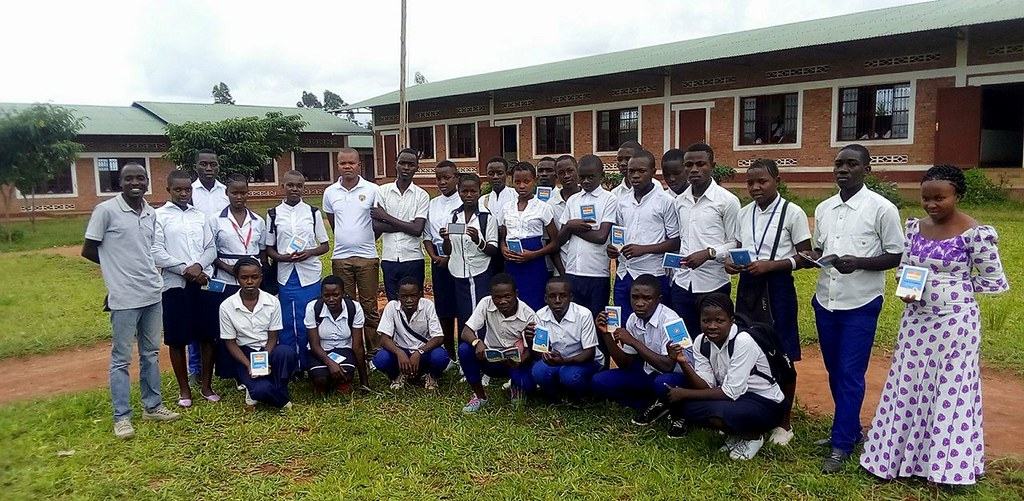
Fifteen pupil monitors documented overcrowded classrooms, broken desks and only three toilets for 590 pupils, then worked with the head, the parents’ committee and the teachers. Three new classrooms were built and a block of eight modern latrines, with separate toilets for girls, went up.
Integrity Club convinced school officials to build extra toilets and classrooms
The programme directly supported 3,060 pupils, 384 teachers and 181 head teachers from 204 secondary schools in Uvira, Bukavu and Kinshasa.
Together they made drinking water clean and accessible, made schools safe and open to children at risk of exclusion, got teachers back in class and even sorted out rubbish collection in town. Their work has benefited more than 500,000 people through better services and infrastructure.
534 pupils (271 boys and 263 girls) in 39 workshops, and 89 teachers and head teachers in 24 schools, told us what makes young people monitor their schools – and what stops them (June–July 2021). The findings are rated against the six OECD-DAC evaluation criteria.

What corruption is, what causes it and what it costs the people of the Democratic Republic of the Congo – and how CERC works to end it.
In eastern Congo, corruption and conflict feed each other. How war fuels corruption, how corruption fuels war, and how integrity can help break the…
When public money cannot be traced and citizens cannot follow how services are delivered, corruption grows unchecked. The causes, the cost, and how…

How CERC’s fight against corruption contributes to the 2030 Agenda: Sustainable Development Goal 16 on peace, justice and strong institutions, and…

How we work: citizen monitoring, Integrity Clubs and what sets our approach apart.

Our strategies since 2017, and what we will do from 2027 to 2030.
Every child deserves a quality education. It is the surest path out of poverty and towards a fairer Congo. Yet across the DRC, girls face unequal…

CERC’s provides training and mentoring on building institutional integrity and anti-corruption helping local governments, ministries, agencies,…
In the Democratic Republic of the Congo, the justice sector institutions lack the capacity and independence to advance its own reform and provide…
The Democratic Republic of the Congo is working hard to advance the implementation and enforcement of provisions under both Chapter II (Preventive…
In the Democratic Republic of the Congo (DRC), the number of victims of human trafficking is estimated at more than one million, most of them victims…
In eastern Congo, organised crime and corruption feed each other: armed groups tax trade and travellers, goods cross the borders without paying…
Your taxes pay for public services: demand that they work, and that the authorities account for them.
Help us bring integrity and accountability to more schools, communities and public services in the DRC.

CERC’s assistant
Hello, I’m Exaucée, CERC’s assistant. How can I help you?
You can write your question, we will reply instantly.
Do not share personal information here. To report a case of corruption, use the whistleblowing page: it protects you.
Report what you see in your school or health centre. Your feedback helps make education and health services in the DRC better and more transparent.
 EduCheckMonitor your school: teacher attendance, school fees, water and sanitation, equipment.Go to EduCheck (opens in a new tab)
 HealthCheckMonitor your health centre: quality of care, medicines, fees and hygiene.Go to HealthCheck (opens in a new tab)
 GovCheckA problem in your neighbourhood or with a public service? Report it to your city or commune, and advocate until it is solved.Go to GovCheck (opens in a new tab)
 UNCAC TrackerFollow how the DRC implements the UN Convention against Corruption.Go to UNCAC Tracker (opens in a new tab)