
Women and girls
Unequal access to school, violence, early marriage and sexual corruption.
Corruption hits hardest those that institutions listen to least. We build gender equality and social inclusion into all our work – research, project design, citizen monitoring and advocacy.
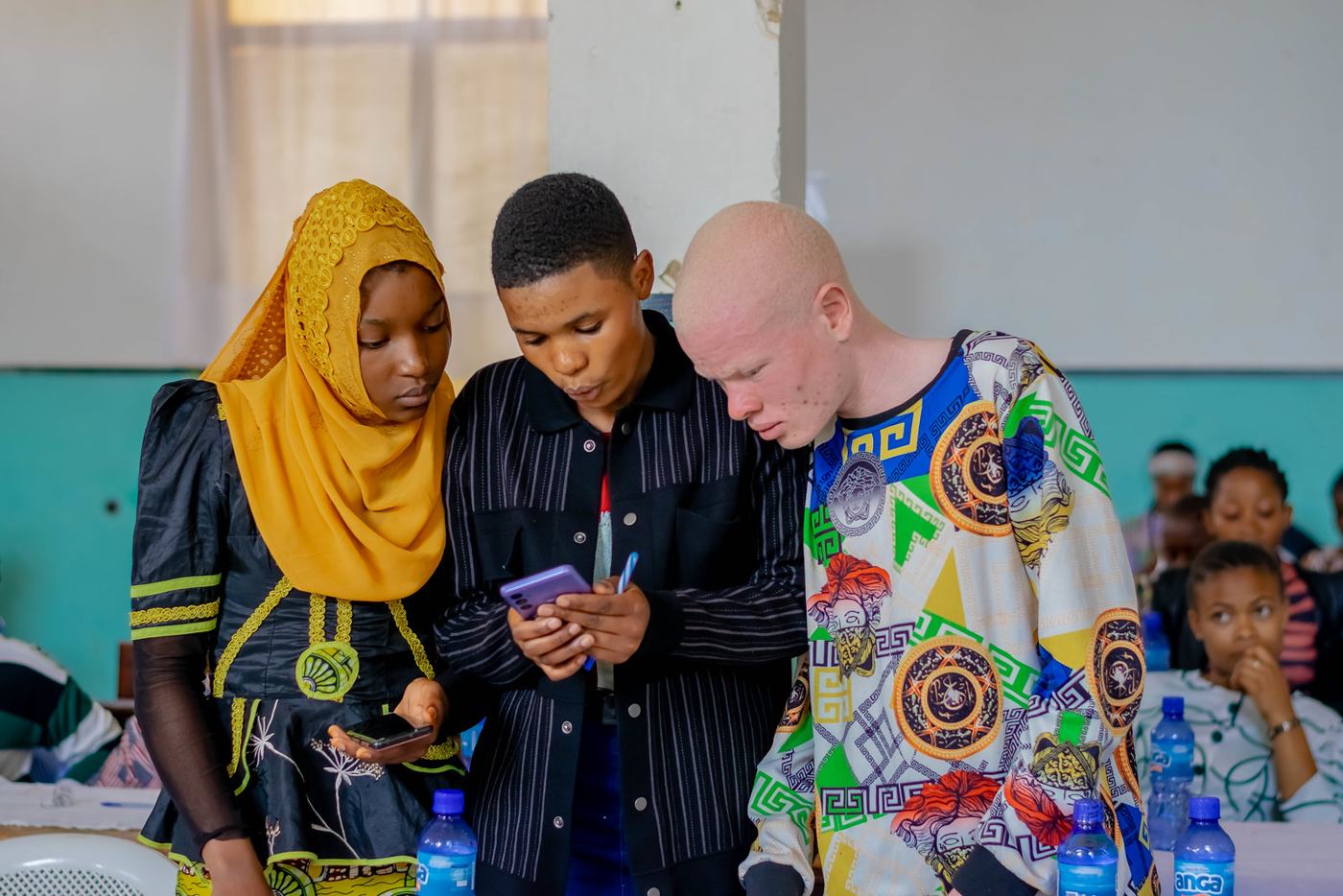
When a public service has to be paid for with a bribe, those who cannot pay go without: the poorest families, girls kept out of school, people living with a disability, displaced families. Corruption turns every inequality into an exclusion.
It also takes forms that target the most exposed: sexual corruption – sex demanded in exchange for a grade, a job or a service – and the abuse of people who dare not complain because they fear discrimination or reprisals.
An anti-corruption programme that does not reach these people leaves their problems unseen and unsolved. That is why we design our work for, and with, the people most at risk of being left behind.
of the students surveyed at a CERC workshop at the Pan-African University of Kinshasa said they had faced an attempt at sexual corruption (2024)
monitor living with a disability in one school could attend club meetings but not field visits – a barrier our learning report asks us to remove (2021)
Unequal access to school, violence, early marriage and sexual corruption.
Physical and communication barriers to services, to school and to taking part in monitoring.
Stigma, discrimination and insecurity that cut them off from school, health care and justice.
Discrimination and fear of reporting abuse, and exclusion from the services they are entitled to.
Limited access to land, school, health care and justice, and little say in the decisions that affect them.
Schools and health centres occupied or destroyed, and aid that does not always reach them.
Young people pushed out of school by fees, poverty or work, who are the first to lose out.
Far from services and from those in charge, they pay the heaviest price for petty corruption.
Every project starts with a gender and social inclusion analysis of who is excluded and why; Year Zero of Education Out Loud produced CERC’s GESI strategy (2021).
Girls and boys, students at risk of exclusion and young people living with a disability take part in the Integrity Clubs, with roles and responsibilities, not as beneficiaries only.
Meetings, trainings and monitoring visits are planned so that everyone can take part: place, time, transport, language and format.
Monitors and participants are protected from harassment, sexual exploitation and reprisals, with training and a confidential way to report incidents.
We collect and publish data broken down by sex, age and disability, and our apps let citizens report anonymously.
We partner with organisations led by women, young people, people living with a disability and LGBTQI+ people, and give them a voice in our decisions.
monitors living with a disability now speak up for their communities
girls trained as community monitors in South Kivu
students at risk of exclusion active in Integrity Clubs
of Integrity Club members are girls
of local authorities more responsive to girls and excluded young people
We do not discriminate on the basis of race, religion, ability, age, sex, sexual orientation, gender identity or social status, and we work to alleviate intersecting forms of discrimination – in our programmes and within our own organisation.
We report on our results, our difficulties and what we learn in our reports and in what we are learning.
To report discrimination, harassment or abuse linked to our work, contact us in confidence.
Report what you see in your school or health centre. Your feedback helps make education and health services in the DRC better and more transparent.