
Donate

Our projects

Since 2017, CERC has delivered projects with international donors and partners to build integrity and accountability in schools, public institutions and the justice sector.

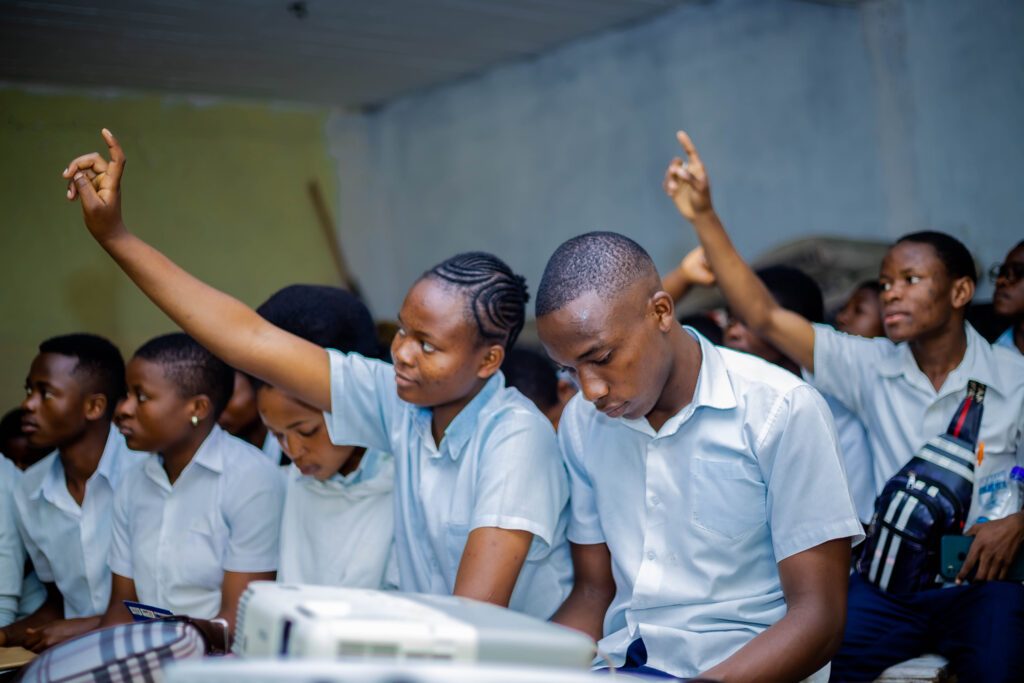
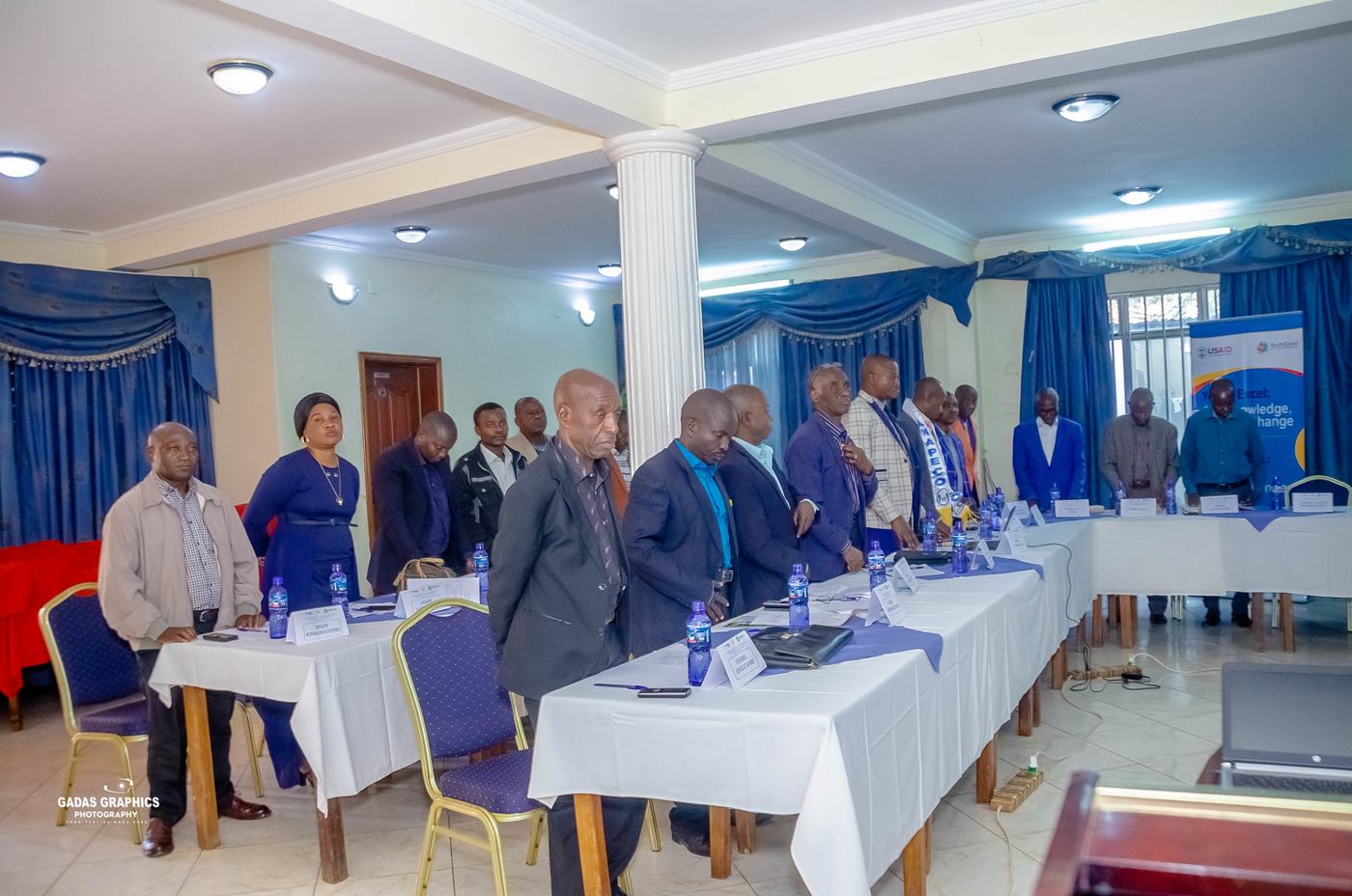
The consultation workshop on integrity education in secondary schools, Kinshasa, July 2022
  • 7 projects since 2017

    Delivered with international donors and partners in schools, public institutions and the justice sector.

  • US$803,358.94 received

    Funds received for CERC’s projects and accounted for, grant by grant, in our financial reports and audits.

  • 9 years of work

    Since CERC was founded in South Kivu in 2017; today it has offices in three provinces of the DRC.

Our projects

Period
Since 2026
Where
Uvira, South Kivu
Funded by
Built with CERC’s own resources; we are looking for partners for the pilot.

Since 2026 Ongoing

GovCheck Climate Innovation

The challenge. Uvira is home to over half a million people between deforested hills and Lake Tanganyika. In heavy rain, the bare slopes hold no water: the Kalimabenge, Mulongwe and Kavimvira rivers overflow. In 2020, dozens died and 15,000 houses were damaged; in 2024, 4,500 houses collapsed and 53 schools flooded; in May 2026, six died, 1,100 displaced. It keeps happening: warnings come too late and the City lacks the data.

The innovation. GovCheck Climate Innovation connects forecasts, residents and the City. Before heavy rain, subscribers get a free SMS alert. Anyone seeing a flood, erosion, a blocked drain or tree cutting reports it by web, SMS or WhatsApp, in their language or by voice; AI summarises, translates and sends it to the right office. Reports draw the hotspot map, and everyone sees who responds and where the adaptation budget goes. AI helps; officials decide.

Expected results. During a 12-month pilot with the City of Uvira and its three Municipalities, we aim (targets to be confirmed) for: 10,000 residents warned at least 12 hours before each heavy rain; 2,000 reports handled, 70% taken in charge within 48 hours; 100 municipal staff and 60 community relays trained. The data will map the neighbourhoods at risk and plan drain cleaning and river-bank protection, before extending the model across the Great Lakes region.

Discover the projectSee the live tool

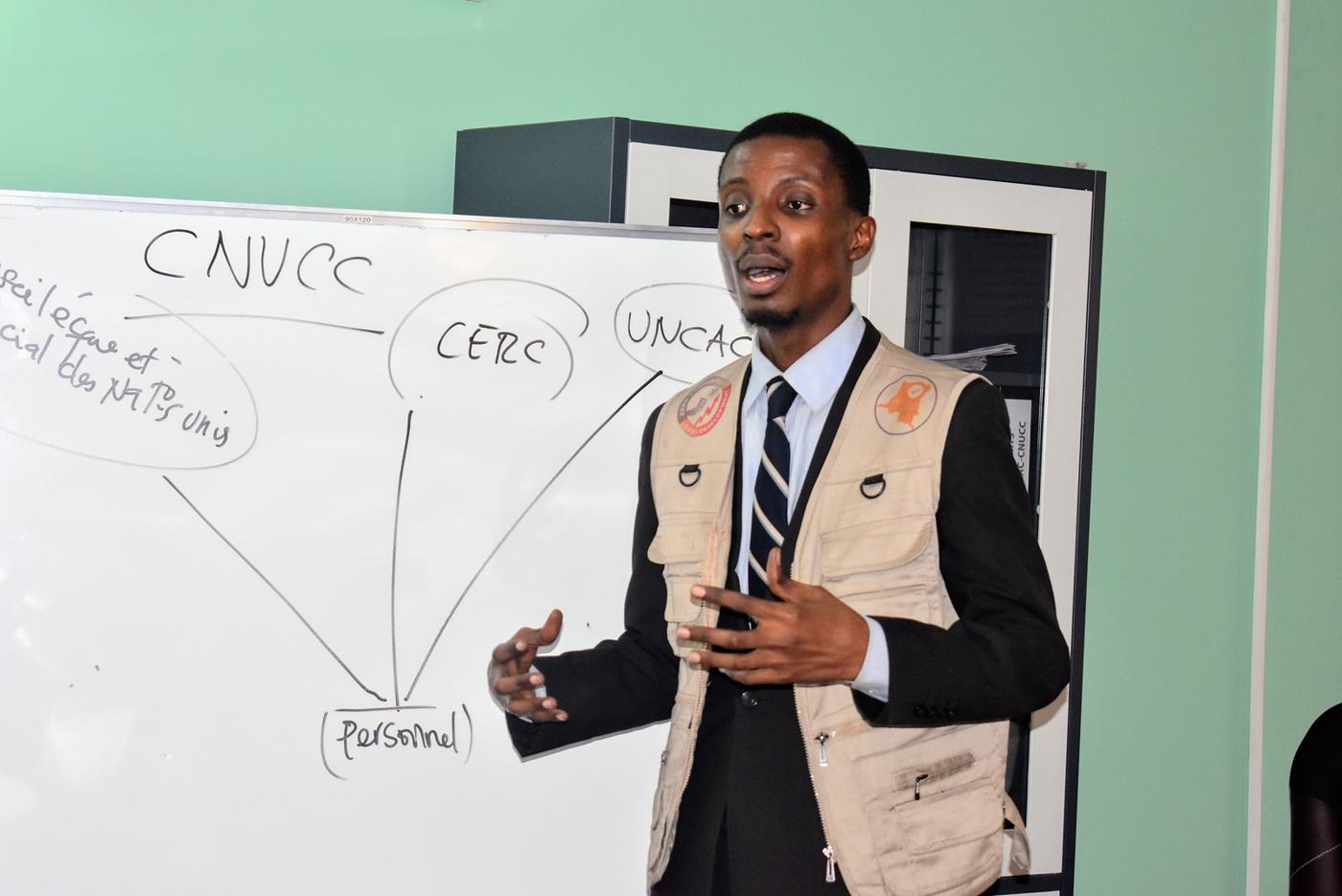
A CERC trainer explains the UNCAC review mechanism to the team, Kinshasa, August 2021
Funds received
US$3,431.50
Period
2020–today
Funded by
UNCAC Coalition
Funding by year
2021UNCAC CoalitionUS$3,431.50
TotalUS$3,431.50
See the figures

2020–today Ongoing

Assessment of the DRC’s implementation of the UNCAC

A civil society assessment of how the DRC implements Chapters II (prevention) and V (asset recovery) of the United Nations Convention against Corruption, with recommendations to the Congolese government. The project is ongoing: CERC advocates with, and works alongside, the government to follow up the implementation of the recommendations.

Results

  • Seven CERC staff trained on the UNCAC and its review mechanism (August 2021)
  • State and non-state actors met from June to December 2021 to assess the Convention in law and in practice
  • The first civil society parallel report on the DRC’s implementation of Chapters II and V, with around 100 recommendations to the government
  • Follow-up of the report’s 42 consolidated recommendations with the government; recommendation 26, strengthening CENAREF, implemented as the DRC left the FATF grey list (October 2026)

UNCAC implementation monitoring

REPLIC project: students discuss how to fight corruption at university
Funds received
US$19,295
Period
2024
Funded by
European Union and Belgium (DGD), through RCN J&D
Funding by year
2024European Union and Belgium (DGD), through RCN J&DUS$19,295
TotalUS$19,295
See the figures

2024 Completed

Agir pour une justice redevable, plurielle et intègre au Congo (REPLIC)

With RCN Justice & Démocratie, under the EU-funded Justice Reform Support Programme (PARJ2) and the REPLIC project: a social alert system against corruption in the justice sector in Kinshasa, university anti-corruption clubs and journalism with young people.

Results

  • A social alert system run by 9 trained focal points, supported by the prosecutors of Kalamu, Ndjili and Matete; 70 posters with its toll-free number in the courts
  • Integrity clubs in 4 universities of Kinshasa, with as many women as men and 30% marginalised or under-represented students
  • 61 students diagnosed corruption at university and drew up a joint action plan, including advocacy for a whistleblower protection law (December 2024)

Read the project reportRule of law and access to justice

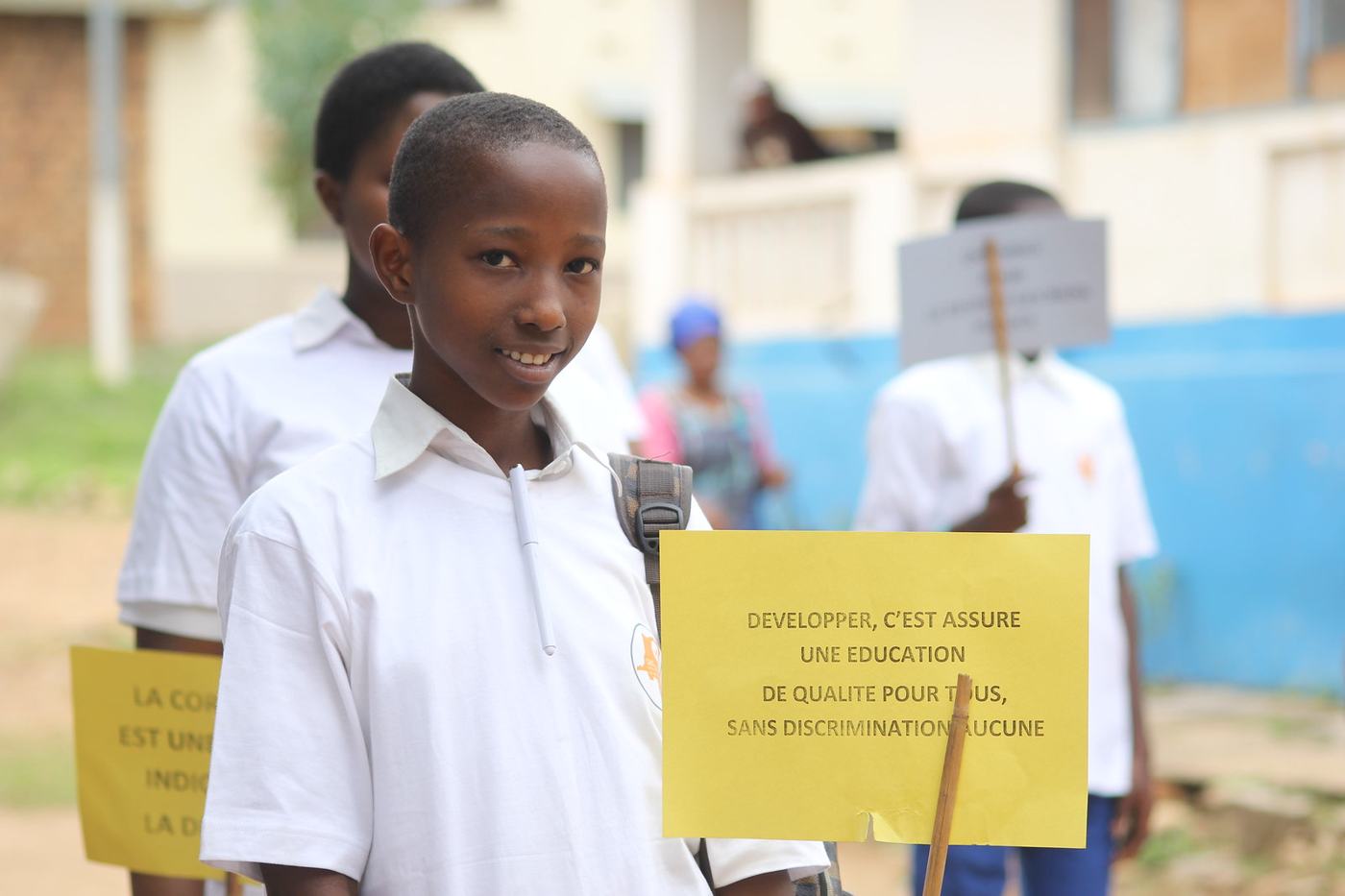
Integrity Club students in their classroom
Funds received
US$454,163
Period
2021–2024
Funded by
Global Partnership for Education, through Oxfam IBIS
Funding by year
2021Global Partnership for Education, through Oxfam IBISUS$23,986
2022Global Partnership for Education, through Oxfam IBISUS$361,361
2023Global Partnership for Education, through Oxfam IBISUS$68,816
TotalUS$454,163
See the figures

2021–2024 Completed

Students Acting for Accountability and Quality of Education

Integrity Clubs in secondary schools in Kinshasa and South Kivu: students trained to monitor education services with the EduCheck app and to advocate with school authorities for better, fairer schools. The project began with Year Zero (April–December 2021), a preparation phase in which CERC built its capacity and designed the project with its partners; its implementation then ran from February 2022 to August 2023.

Results

  • Year Zero (2021): 534 students, 39 principals, 50 teachers, 21 parents’ committees and 12 senior officials consulted to design the project
  • 204 Integrity Clubs and 2,250 students in 150 schools; 138 principals and 278 teachers trained (2022)
  • A memorandum of understanding with the South Kivu 1 education directorate to set up Integrity Clubs in every secondary school (2022)
  • A learning report on what motivates student monitors (2022); 97 policymakers consulted (2023); two bills with APNAC DRC taken to the National Assembly (April 2024)

Read the project reportIntegrity Clubs in schools

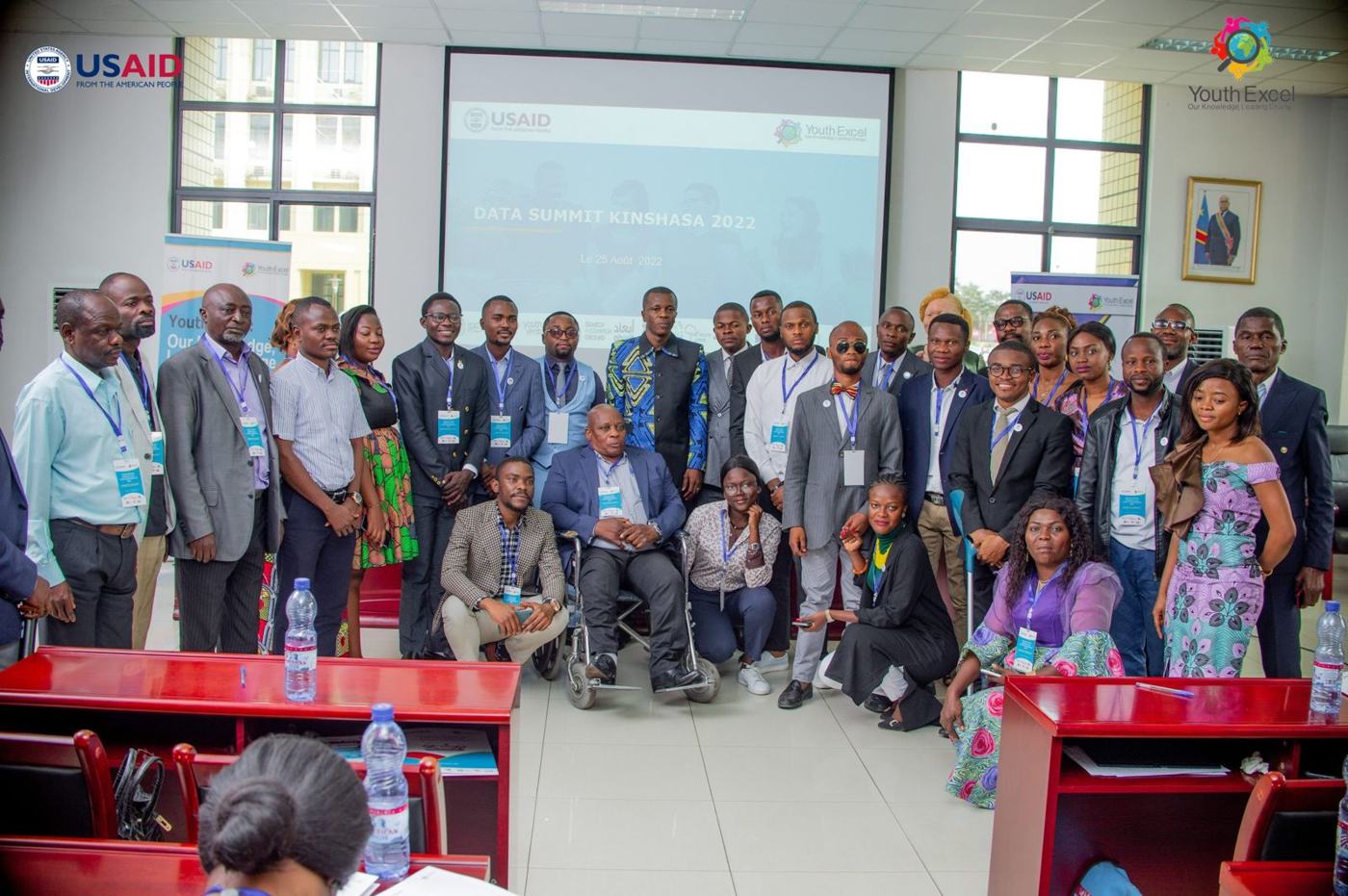
Participants of the Youth Excel Data Summit, Kinshasa, August 2022
Funds received
US$168,697.07
Period
2021–2023
Funded by
USAID, through IREX
Funding by year
2021USAID, through IREXUS$32,506.71
2022USAID, through IREXUS$58,275.15
2023USAID, through IREXUS$6,746.05
2023USAID, through IREXUS$71,169.16
TotalUS$168,697.07
See the figures

2021–2023 Completed

Youth Excel: strengthen the inclusion of under-represented and marginalized youth in education and workforce development in Kinshasa, DRC

Local implementing partner of the global Youth Excel initiative: the project ran from July 2021 to February 2023 (20 months), followed by 10 months of online mentoring by CERC, funded by the project, to December 2023. Two phases. Phase 1 (2021–2022), objective: strengthen youth-led and youth-serving organisations in Kinshasa to generate and use evidence through implementation research on how to include marginalised young people in education and workforce programmes, and to share it with decision-makers. Phase 2 (2023), objective: the socio-economic reintegration of 45 young people with limited access to education, employment and other opportunities of Kinshasa, through income-generating micro-enterprises run by the consortium of 9 ICON organisations.

Results

  • Phase 1: an issue-based collaborative network (ICON) of 10 youth-led and youth-serving organisations in Kinshasa, including one LGBTQI-led organisation and two led by people living with disabilities
  • Phase 1: 20 young researchers and 6 CERC staff trained in implementation research, gender equality and social inclusion; findings presented at a Data Summit in Kinshasa (August 2022)
  • Phase 2: 9 ICON organisations in a consortium – CINA, Congo pour tous, Jeunes Chefs d’État, Jeunialissime, Kin Car Wash, Parlement des jeunes de Kinshasa, ASFG, SJUD and Ujuzi Sustainable Services – with a joint action plan
  • Phase 2: 45 young people identified, given psycho-social support and trained in trades and entrepreneurship; 5 economic interest groups (two dairy and bakery micro-enterprises, two computer centres, a tailoring workshop) each received a US$10,000 microgrant, followed by 10 months of online mentoring by CERC, funded by the project, to December 2023

Read the project reportYouth Excel Kinshasa Data Summit: Increasing youth inclusion in education and in workforce development programmes

Funds received
US$18,651.75
Period
2020
Funded by
US Department of State (INL), through Accountability Lab
Funding by year
2020US Department of State (INL), through Accountability LabUS$18,651.75
TotalUS$18,651.75
See the figures

2020 Completed

Building Integrity in DRC

Support to civil society and youth-led initiatives to strengthen integrity and reduce corruption in the Democratic Republic of the Congo – funded by the US Department of State’s Bureau of International Narcotics and Law Enforcement Affairs (INL) through Accountability Lab.

Results

  • Support to civil society and youth-led initiatives to strengthen integrity and reduce corruption in the DRC (2020)

Institutional integrity building

Funds received
US$6,500 in kind
Period
2020
Funded by
Twilio
Funding by year
2020TwilioUS$6,500
TotalUS$6,500
See the figures

2020 Completed

Covid-19 Vaccine Education Project

A Covid-19 vaccine education project supported in kind by Twilio.org: credits for SMS, voice calls and messaging worth US$6,500, used in full in 2020 (2020 audit). Not a cash grant.

Results

  • SMS, voice call and messaging credits for Covid-19 vaccine education, used in full in 2020

Integrity Club members on Anti-Corruption Day, South Kivu, 2018
Funds received
US$132,620.62
Period
2017–2020
Funded by
Integrity Action (NORAD)
Funding by year
Oct 2017 – Sep 2018Integrity Action (NORAD)US$57,888.92
Oct 2018 – Sep 2019Integrity Action (NORAD)US$44,425.40
2020Integrity Action (NORAD)US$30,306.30
TotalUS$132,620.62
See the figures

2017–2020 Completed

Students Acting for Honesty, Integrity and Equality (SHINE)

Funded by the Norwegian Agency for Development Cooperation (NORAD) and the Swedish International Development Cooperation Agency (Sida) through Integrity Action: Integrity Clubs in secondary schools in South Kivu, where students learned about integrity and used the DevelopmentCheck tool to monitor school services and local projects – and helped fix many of the problems they reported.

Results

  • Integrity Clubs launched in 20 secondary schools in Uvira (December 2017); 107 trainers trained: 19 principals, 38 teachers and 50 club leaders
  • More than 800 students engaged with the management boards of 55 schools in Uvira and Bukavu, using DevelopmentCheck
  • An average of 32% of the problems reported by students fixed thanks to their advocacy (2017–2020); 1,780 students in Uvira studying in safer conditions (2018)

Read the project reportIntegrity Clubs in schools

Where the money comes from

The funds received for our projects, the gifts in kind and CERC’s own money add up to the total on our financial accountability page.

How we get to US$838,739.69

  1. For our projectsMoney and help given by our donors for our 7 projects.

    US$803,358.94
  2. Gifts instead of moneyMicrosoft (2020) and DigitalOcean (2025) gave us software and the hosting of our websites and apps.

    US$26,000
  3. CERC’s own moneyCERC paid for office equipment (2021).

    US$9,380.75
  4. TotalThe same total as on our financial accountability page.

    US$838,739.69

Technology partners for non-profits

Technology companies support CERC through their programmes for non-profit organisations: software, cloud and communication credits given in kind, which never pass through our bank accounts. Their value, where it is known, is shown on our financial accountability page.

  • DigitalOcean

    Non-profit cloud credits hosting EduCheck, GovCheck, HealthCheck and UNCAC Tracker – US$2,000 in 2025.

  • Twilio.org

    Twilio.org credits for SMS, voice calls and messaging, used for the Covid-19 vaccine education project – US$6,500 in 2020.

  • Microsoft

    Microsoft 365 Business Premium licences and professional email hosting – US$24,000 in 2020.

  • Google for Nonprofits

    Google for Nonprofits: Google’s programme of tools for non-profit organisations.

  • Oracle NetSuite

    NetSuite Social Impact: Oracle NetSuite’s programme for non-profit organisations.