The workshops, interviews and tools of the study, and the literature reviewed.
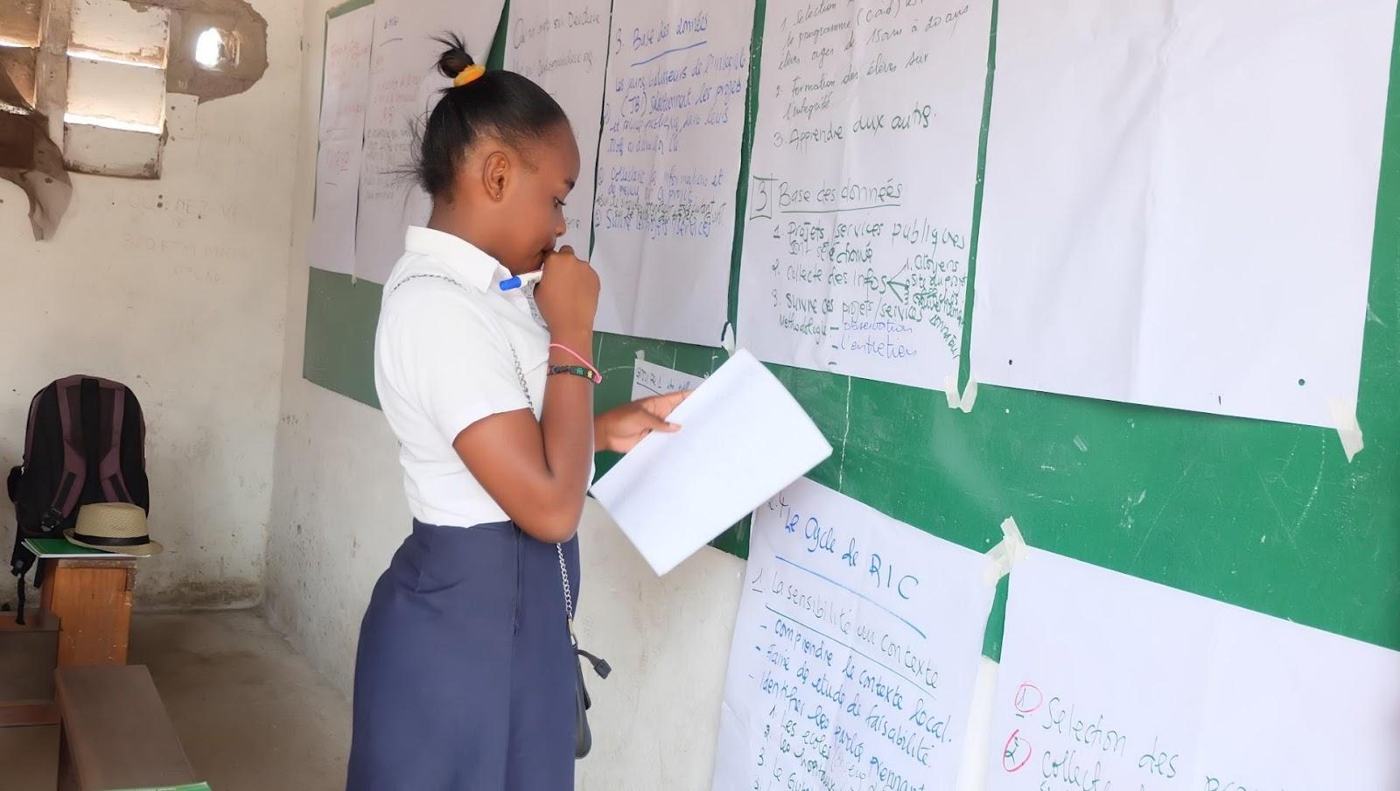
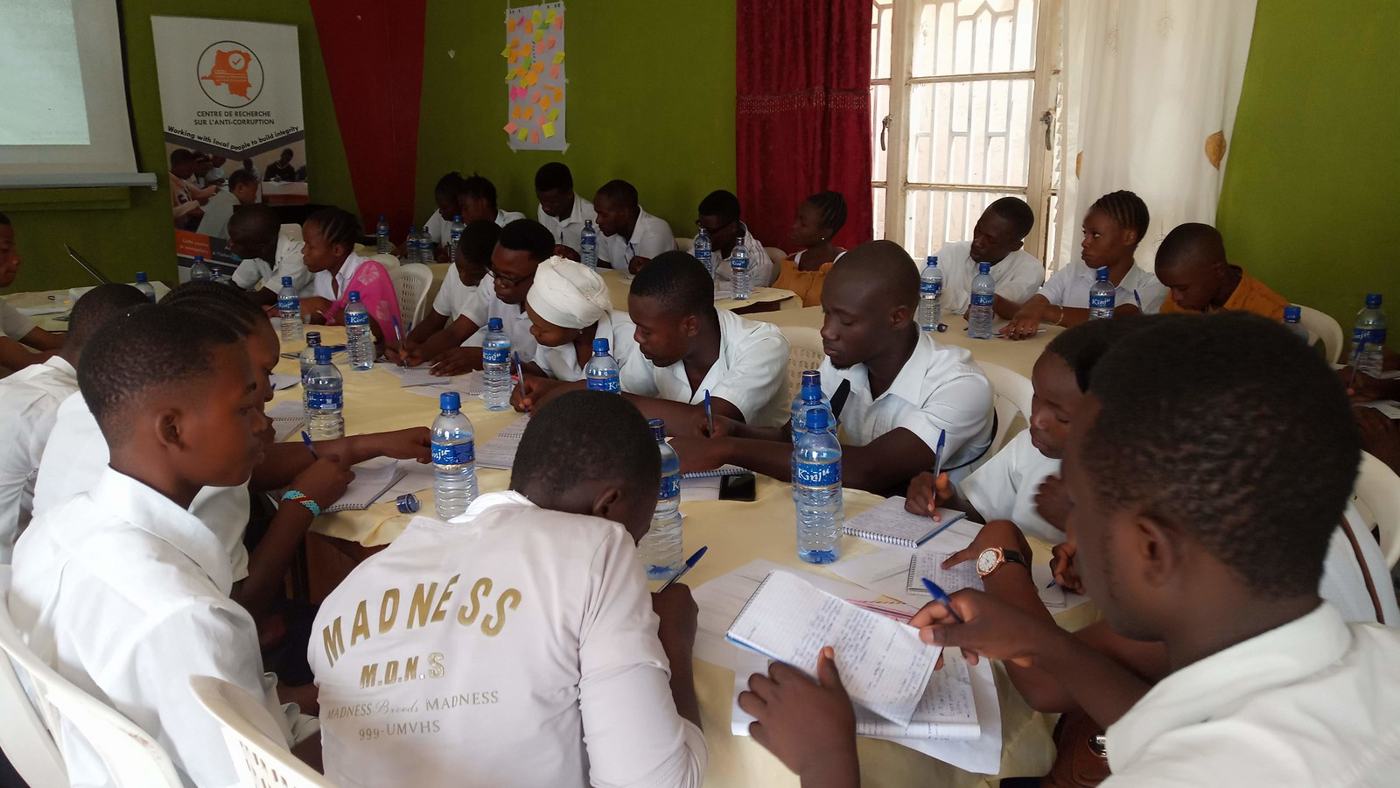
Annex 1Workshops with young people
Bukavu, 14–24 June 2021 (15 Integrity Clubs): Institut Mulindwa, Institut la Promesse, Institut de Kadutu, Institut Matimanyi, Institut la Pépinière, Institut Hodari, Institut de la Trinité, Institut Bahati, Institut Olimba, Institut Bora, Institut Azma, Institut Karibu, Complexe scolaire Oméga/la Merveille, Institut Ukarimu and Institut Shukrani.
Uvira, 7–15 July 2021 (12 Integrity Clubs): Institut Kitundu, Institut d’Uvira, Institut Bakhita, Institut Adidja, Complexe scolaire de l’Unité, Institut Kalundu, Institut Kalimabenge, Institut Guido Maria Conforti, Institut Hekima, Lycée Umoja, Institut Action Kusaidia and Institut Nuru.
Kinshasa, 25 June – 7 July 2021 (12 schools without an Integrity Club): Institut Lisalisi, Complexe scolaire les Élites, Institut Saint-Damien, Complexe scolaire Ilunga, Complexe scolaire Betsaël Josué, Complexe scolaire Bomoko, École chrétienne Gracia, Complexe scolaire Tuendelee, Groupe scolaire Diela, Collège évangélique le Palmier, Institut Botosi and Collège Angela.
Annex 2Interviews with teachers and head teachers
Teachers and head teachers (or education directors) of 24 schools were interviewed between 16 June and 24 July 2021: 89 people, 50 teachers and 39 head teachers.
- Bukavu (11 schools): la Pépinière, Hodari, la Trinité, Bahati, Olimba, Bora, Azma, Karibu, Oméga/la Merveille, Ukarimu, Shukrani;
- Uvira (9 schools): Action Kusaidia, Nuru, Hekima, Guido Maria Conforti, Bakhita, Adidja, l’Unité, Kalundu, Kalimabenge;
- Kinshasa (4 schools): les Élites, Saint-Damien, Ilunga, Betsaël Josué.
Annex 3Workshop formats
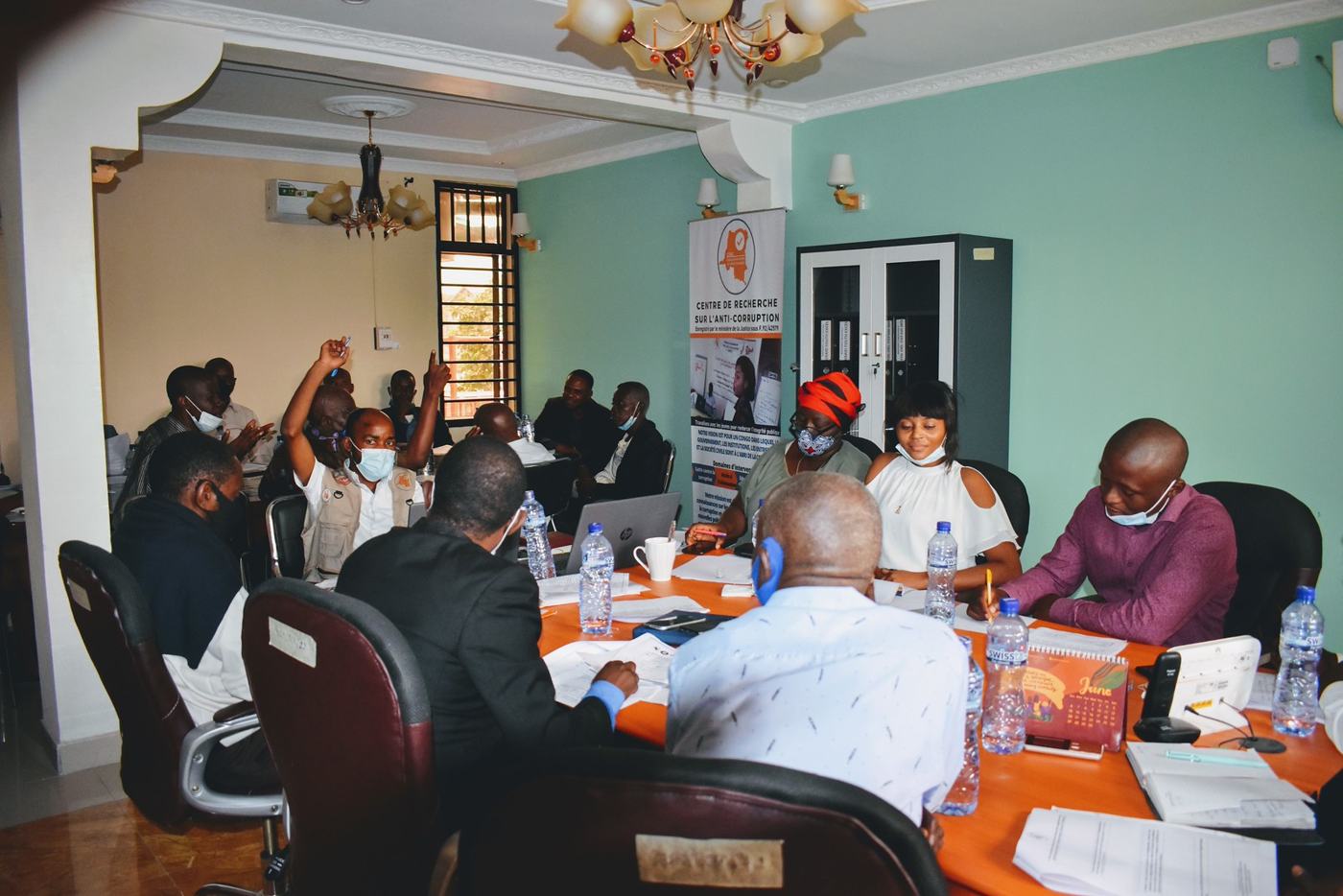
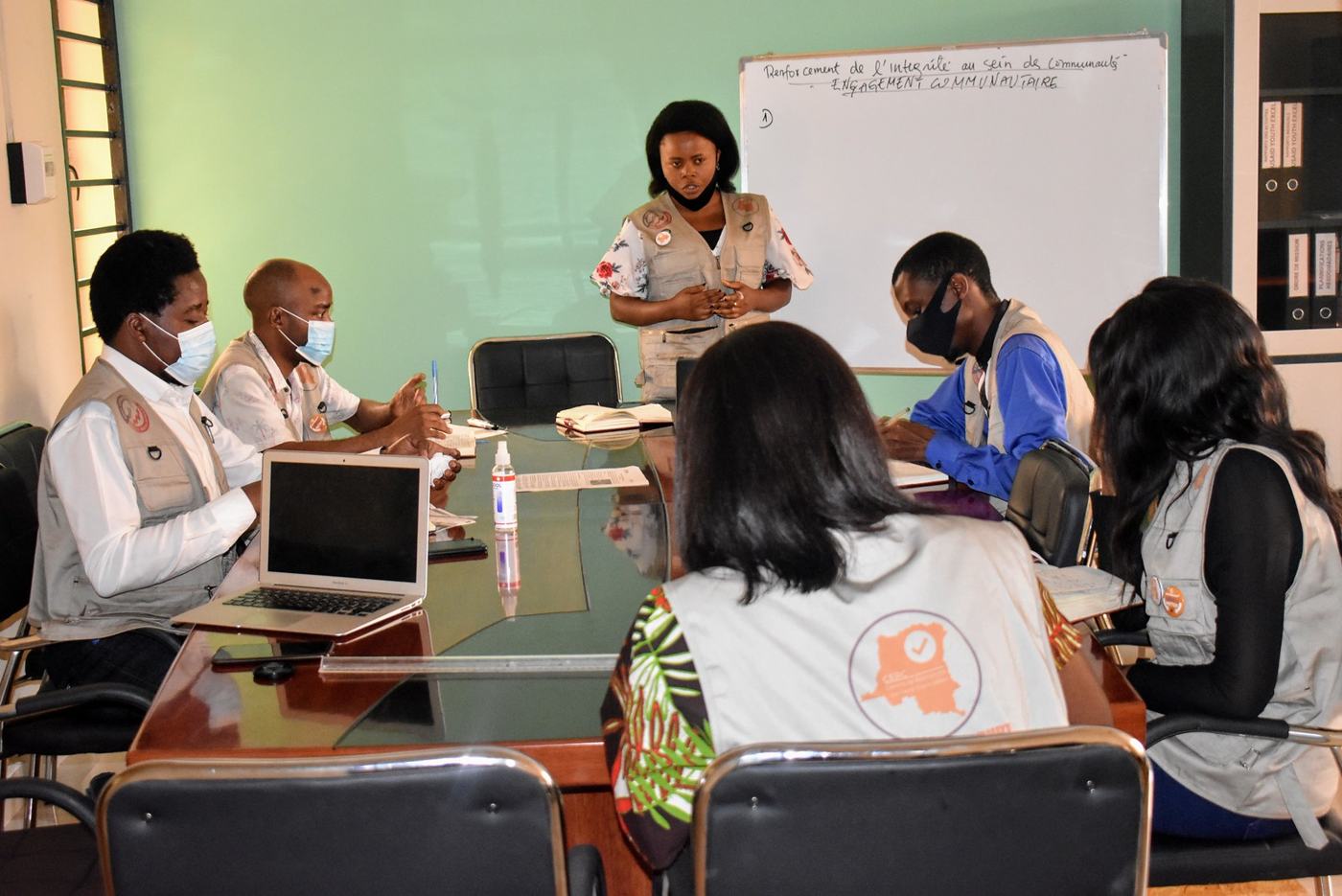
Monitors and former monitors (about 3 hours 15, 15 participants): 1. awareness and perceptions – how would you advertise the role of a monitor, and what would you tell a candidate about its difficulties? 2. motivation and support – successes and barriers acted out by two groups, then a discussion on overcoming challenges; 3. influence – a spider-web diagram of the people connected to what monitors like and dislike; 4. summary and ranking – a World café of motivating and discouraging factors, ranked with ten stickers each, and a timeline of motivation; an anonymous feedback sheet throughout.
Non-monitors (about 3 hours 20, 15 participants): 1. an introduction to integrity, Integrity Clubs and monitoring by project staff, and examples of acting without integrity, ranked from 1 to 5; 2. the qualities a monitor needs, and reactions to the concept of monitoring; 3. motivation – where participants stand between “exciting” and “intimidating”, and their reactions to stories of barriers; 4. a World café and ranking, as for monitors.
Annex 4Interview guides
Guides were written for current and former monitors (activities, motivations, support, training, what would make them stop, what they and the community gain, conditions to continue); teachers and head teachers (what monitors do, support available, training, who a typical monitor is); members of school management and parents’ committees; and partner organisations and staff of monitored projects (how it felt to be monitored, what they do when a student reports a problem, what they would change).
ReferencesLiterature reviewed
- Ballard P. What Motivates Youth Civic Involvement? Journal of Adolescent Research. 2014;29(4):439–463.
- Brennan M, Barnett R. Bridging Community and Youth Development: Exploring Theory, Research and Application. Community Development. 2009;40:305–310.
- Checkoway B, Aldana A. Four forms of youth civic engagement for diverse democracy. Children and Youth Services Review. 2013;35:1894–1899.
- Harré N. Community Service or Activism as an Identity Project for Youth. Journal of Community Psychology. 2007;35(6):711–724.
- Makhoul J, Alameddine M, Afifi R. ‘I felt that I was benefiting someone’: youth as agents of change in a refugee community project. Health Education Research. 2012;27(5):914–926.
- Pearce N, Larson R. How Teens Become Engaged in Youth Development Programs: The Process of Motivational Change in a Civic Activism Organization. Applied Developmental Science. 2006;10(3):121–131.
- Perez W, Espinoza R, Ramos K, Coronado H, Cortes R. Civic Engagement Patterns of Undocumented Mexican Students. Journal of Hispanic Higher Education. 2010;9(3):245–265.
- Sherrod L, Flanagan C, Youniss J. Dimensions of Citizenship and Opportunities for Youth Development: The What, Why, When, Where, and Who of Citizenship Development. Applied Developmental Science. 2002;6(4):264–272.
- Transparency International. Corruption Perceptions Index 2020.
- United Nations Development Programme. Human Development Report 2020.
This learning report was produced by and for the Centre de Recherche sur l’Anti-Corruption. Data were analysed by independent consultants. Original edition in English, February 2022.