
Kinshasa, 4–6 December 2024 – How do you move from outrage at corruption to effective citizen action? That was the question at the heart of a three-day training held in Kinshasa by the Centre de Recherche sur l’Anti-Corruption (CERC), in partnership with the Congolese Association for Access to Justice (ACAJ).
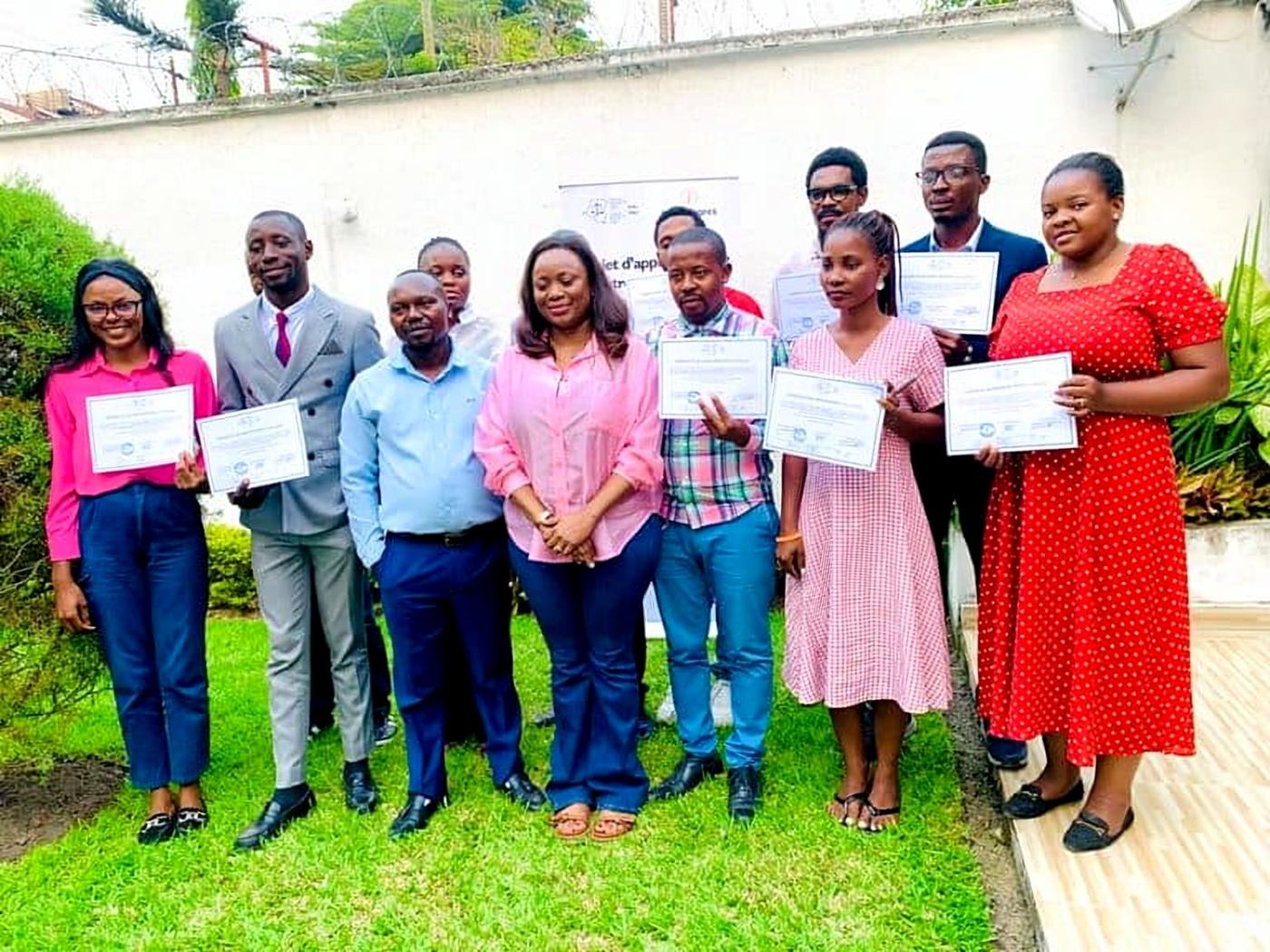
Facilitated by the expert Paulin Kibendelwa and by Jonathan Musa Nzamu, CERC’s Provincial Director, the session brought together members of ACAJ and a blogger from Habari RDC. Civil society organisations, engaged citizens and the media worked towards the same goal: strengthening their ability to prevent, detect and fight corruption where they live and work.
Understanding in order to act
In the Democratic Republic of the Congo, corruption holds back development, erodes trust in institutions and deepens social inequality. It deprives citizens of quality public services and diverts resources that should serve the common good. To fight it, we first need to understand how it works.
The training had three objectives:
- raise awareness of the root causes and consequences of corruption;
- equip participants with legal, practical and ethical tools to prevent, report and fight corruption;
- strengthen the capacity of NGOs, citizens and the media to promote transparency and integrity around them.
Three principles for acting with integrity
Through the discussions, participants agreed on three principles that they committed to apply in their daily work:
- Adopt an ethical compass: weigh the consequences of your choices and act on fair and responsible principles.
- Cultivate integrity: keep your commitments, live by your values and stay transparent, even when circumstances are difficult.
- Avoid grey areas: spot and watch for ambiguous situations that can open the door to corrupt practices.
The session ended with the award of certificates to the participants.
Every citizen has a role to play
For Joséphine Mbela, advocacy officer at ACAJ, fighting corruption is not a job for institutions alone: every citizen can contribute by reporting acts of corruption and supporting institutional reforms.
Jonathan Musa Nzamu recalled that civil society plays a key role in raising awareness and in citizen oversight of public action. Better-trained actors are better equipped to demand accountability and propose solutions.
Training today the leaders of integrity of tomorrow
Through initiatives like this one, CERC and its partners show that another future is possible for the DRC: one where public decisions are made transparently, where every resource serves the common good and where zero tolerance for corruption becomes a national norm.
By training today’s actors, we are preparing tomorrow’s leaders of integrity. The transformation is under way, and it starts with each of us.