
Two United Nations meetings in five months brought CERC’s evidence from the DRC to international debates on corruption. Both are part of CERC’s work at the United Nations under its special consultative status with ECOSOC, granted in 2021; they are not part of a funded project.
From 11 to 15 December 2023, CERC’s Programme Manager Musa Nzamu and CEO Heri Bitamala took part virtually in the Tenth Conference of the States Parties to the UN Convention against Corruption (CoSP10), held in Atlanta, United States. Their contributions focused on the nexus between corruption, the financing of crime and conflict in eastern Congo, and on strategies to mitigate it. CERC drew on its civil society parallel review of the DRC’s implementation of Chapters II (preventive measures) and V (asset recovery) of the convention, produced at the request of the UNCAC Coalition.
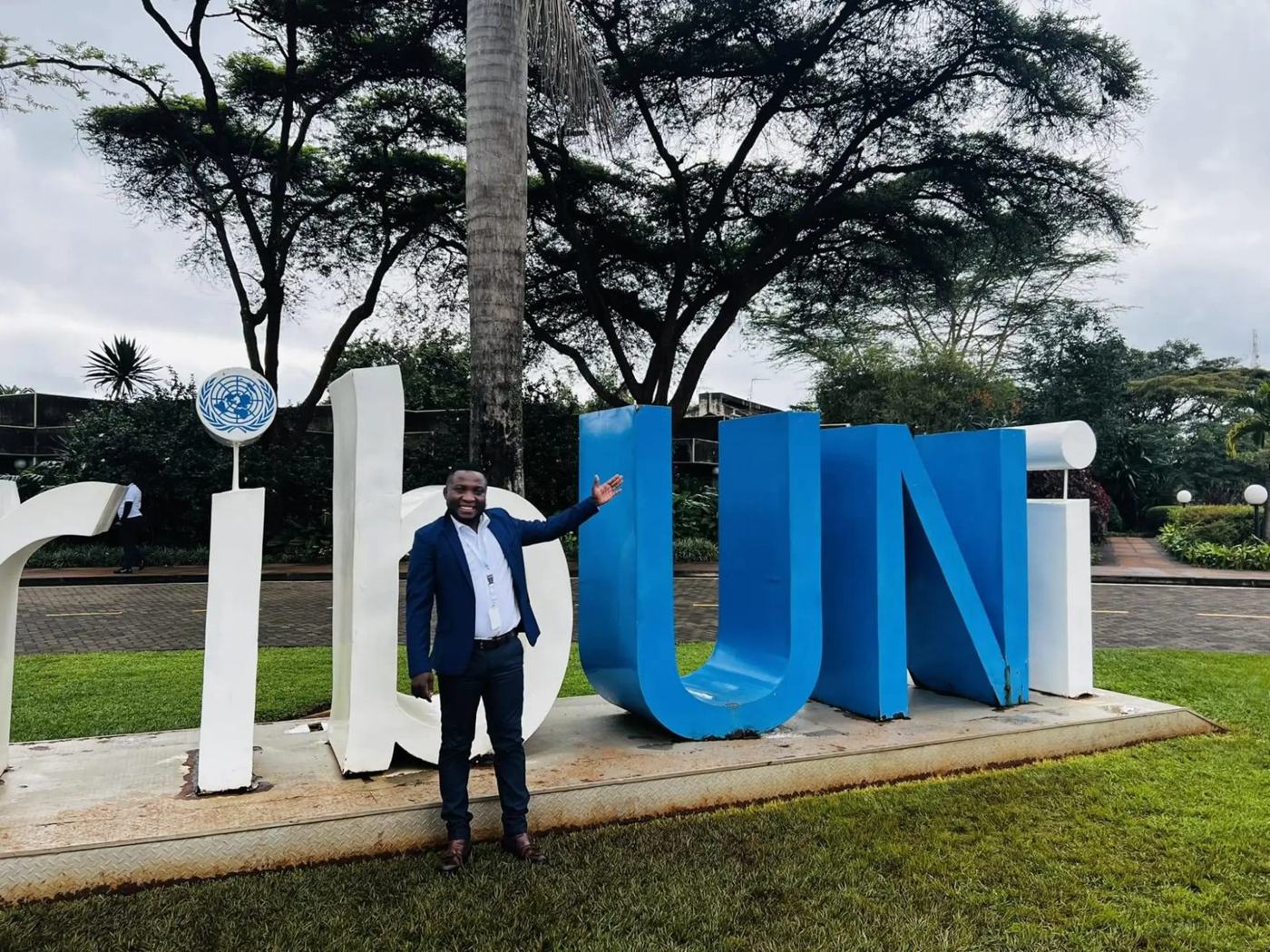
On 9 and 10 May 2024, Heri Bitamala represented CERC at the United Nations Civil Society Conference in Nairobi, Kenya. CERC shared its work on how corruption affects the achievement of the Sustainable Development Goals and can stand in the way of the Pact for the Future, and presented its digital tools for citizen monitoring:
- EduCheck, launched in 2021, which Integrity Club members use to report school problems and the fixes they obtain;
- GovCheck, developed in 2023, which lets citizens document irregularities in infrastructure projects and send evidence, with geolocation, directly to funders and government.
Behind these contributions is CERC’s work in the DRC:
- 150 Integrity Clubs set up in secondary schools in South Kivu and Kinshasa in 2022, and 2,250 students aged 14–19 trained;
- 97 policymakers at two consultation workshops in Kinshasa and Bukavu in 2023;
- 63 youth leaders from 9 youth-led organisations trained in Kinshasa;
- in April 2024, a bill taken to the National Assembly with APNAC DRC for Integrity Clubs and an integrity education course in every secondary school, and an analysis of illicit political financing.
When it obtained its status, CERC set out what it would do with it:
“We will use this Consultative Status to strengthen our work championing anti-corruption, human rights and governance in the Democratic Republic of the Congo.”
Next, CERC will keep bringing the experience of Congolese citizens to the UN – on the review of the UNCAC, on sustainable development and on the links between corruption and conflict – and following up at home on the commitments made abroad.
Help young Congolese build integrity from the ground up: make a donation or become a supporter.
Read also: CERC granted special consultative status with the UN Economic and Social Council