Illicit political Financing: A Serious Threat to Equity and the Integrity of the Electoral System
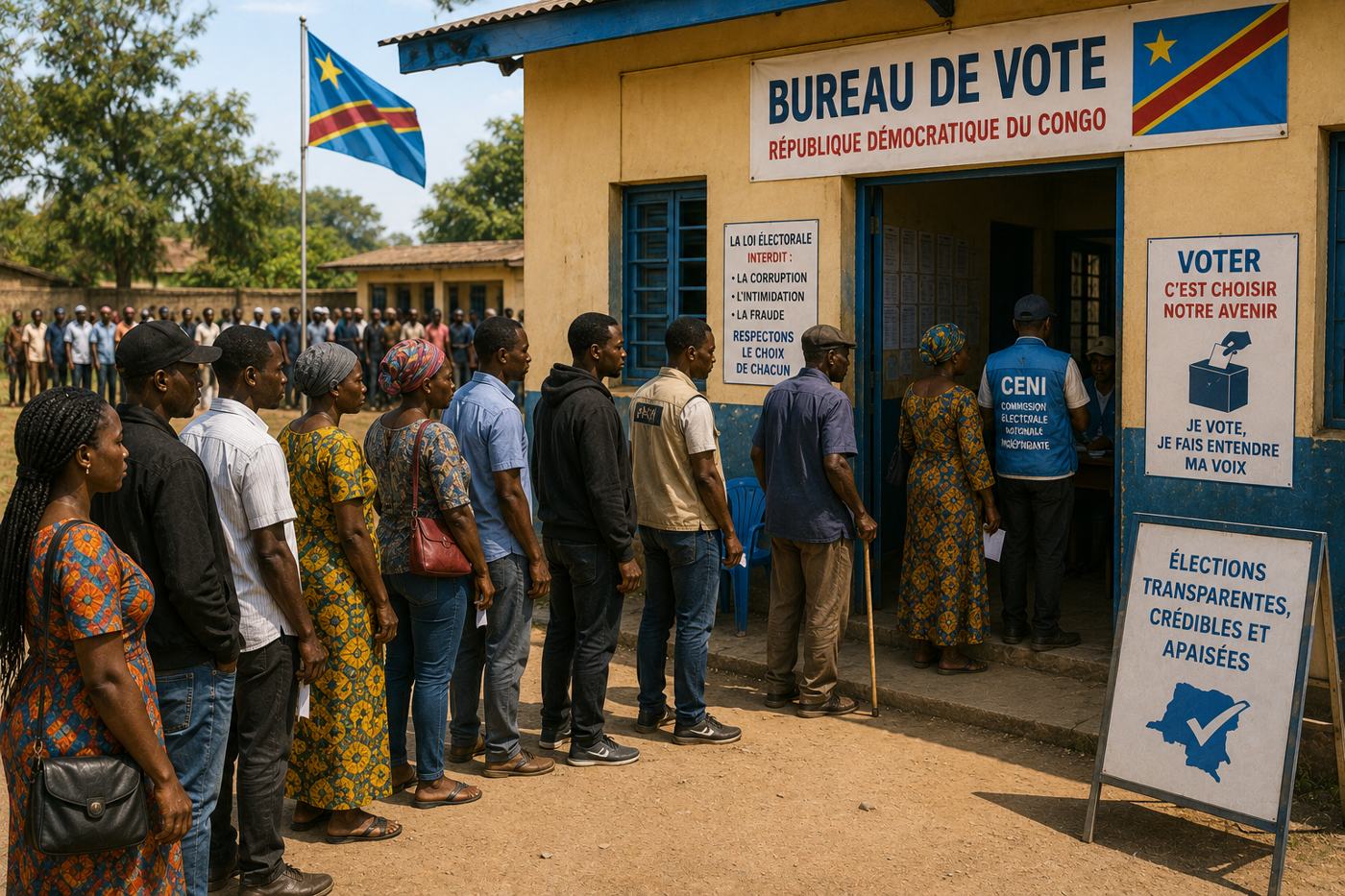
The illicit and non-transparent financing of political parties poses a major challenge to the equity and integrity of the electoral system in the Democratic Republic of Congo (DRC). This practice, in addition to compromising the transparency and fairness of elections, erodes public trust in the democratic process. Article 7 of the United Nations Convention against […]
The illicit and non-transparent financing of political parties poses a major challenge to the equity and integrity of the electoral system in the Democratic Republic of Congo (DRC). This practice, in addition to compromising the transparency and fairness of elections, erodes public trust in the democratic process.
Article 7 of the United Nations Convention against Corruption (UNCAC) and Law 004/02 of March 15, 2004: Insufficient Standards
Article 7 of the UNCAC refers to the financing of political parties. However, it does not provide explicit standards to regulate this funding. This gap leaves many opportunities for corruption in the financing of parties and electoral campaigns in the DRC.
In its report on the implementation of the UNCAC provisions by the Democratic Republic of the Congo, the CERC highlighted the existence of a legal framework governing the operation and management of political parties. This includes Law 004/02 of March 15, 2004, on the organization and functioning of political parties and Law No. 08/005 of June 10, 2008, on public financing of political parties.
Article 26 of Law No. 04/002 of March 15, 2004, on the financing of political parties in the Democratic Republic of Congo addresses several important provisions, including:
Prohibition of foreign financing
Article 26 explicitly prohibits political parties and candidates from accepting foreign funding for their political activities. This aims to preserve the independence and sovereignty of the Congolese electoral process.
Financial transparency
It requires political parties to maintain transparent financial accounts and submit them to regular scrutiny by competent bodies. This transparency aims to prevent illicit financing.
Sanctions for non-compliance
The article provides for severe sanctions, including the dissolution of the political party, in case of non-compliance with the financing rules stated in the law. This reinforces the incentive to scrupulously adhere to established standards.
Despite this regulatory framework, the CERC report highlights some shortcomings in the implementation of these provisions, including:
The absence of an authority responsible for supervising and enforcing political financing regulations;
Non-compliance with the obligation to report annual financial statements by political parties; and
The lack of sanctions for political parties that do not comply with the provisions of the law.
These gaps create avenues for many opportunities for corruption in the financing of parties and electoral campaigns in the DRC.
The Next Elections in the DRC: A Test for Electoral Integrity
The upcoming senators and governors elections in the DRC are a crucial test for electoral integrity. Recent allegations of corruption underscore the urgent need for concerted action to strengthen political financing regulation, establish effective monitoring mechanisms, and ensure deterrent sanctions for offenders.
Creating an independent authority responsible for supervising and enforcing financing rules,
Imposing severe sanctions to deter violations, and
Improving financial transparency of Political parties through regular and accessible reports to the public.
Additionally, increased awareness of the importance of electoral integrity, engagement of political actors and civil society, and international cooperation in combating corruption are essential to strengthen democracy in the DRC.
About CERC
The Centre de Recherche sur l’Anti-Corruption (CERC) is a Congolese non-governmental organisation founded in April 2017 in South Kivu. With young people at its heart, CERC works with schools, communities, public institutions and partners to promote transparency, accountability and integrity in the Democratic Republic of the Congo. It has held special consultative status with the United Nations Economic and Social Council (ECOSOC) since 2021. Learn more: Discover CERC.
Centre de Recherche sur l’Anti-Corruption (CERC) · info@cerc.cd · www.cerc.cd
CERC is a Congolese non-governmental organisation with special consultative status with the United Nations Economic and Social Council (ECOSOC) since 2021.
Exaucée
CERC’s assistant
Hello! I’m Exaucée, CERC’s assistant. Ask me about CERC, our work, our apps, our reports, or how to donate, partner or report corruption.