

Motivation is not what is missing
Students want to be agents of change. What stops them is fear, cost and a lack of support.
Every project teaches us something. With the students, teachers and communities we work with, we study what works and what does not, and we assess our projects against the evaluation criteria used by the World Bank and the European Union.
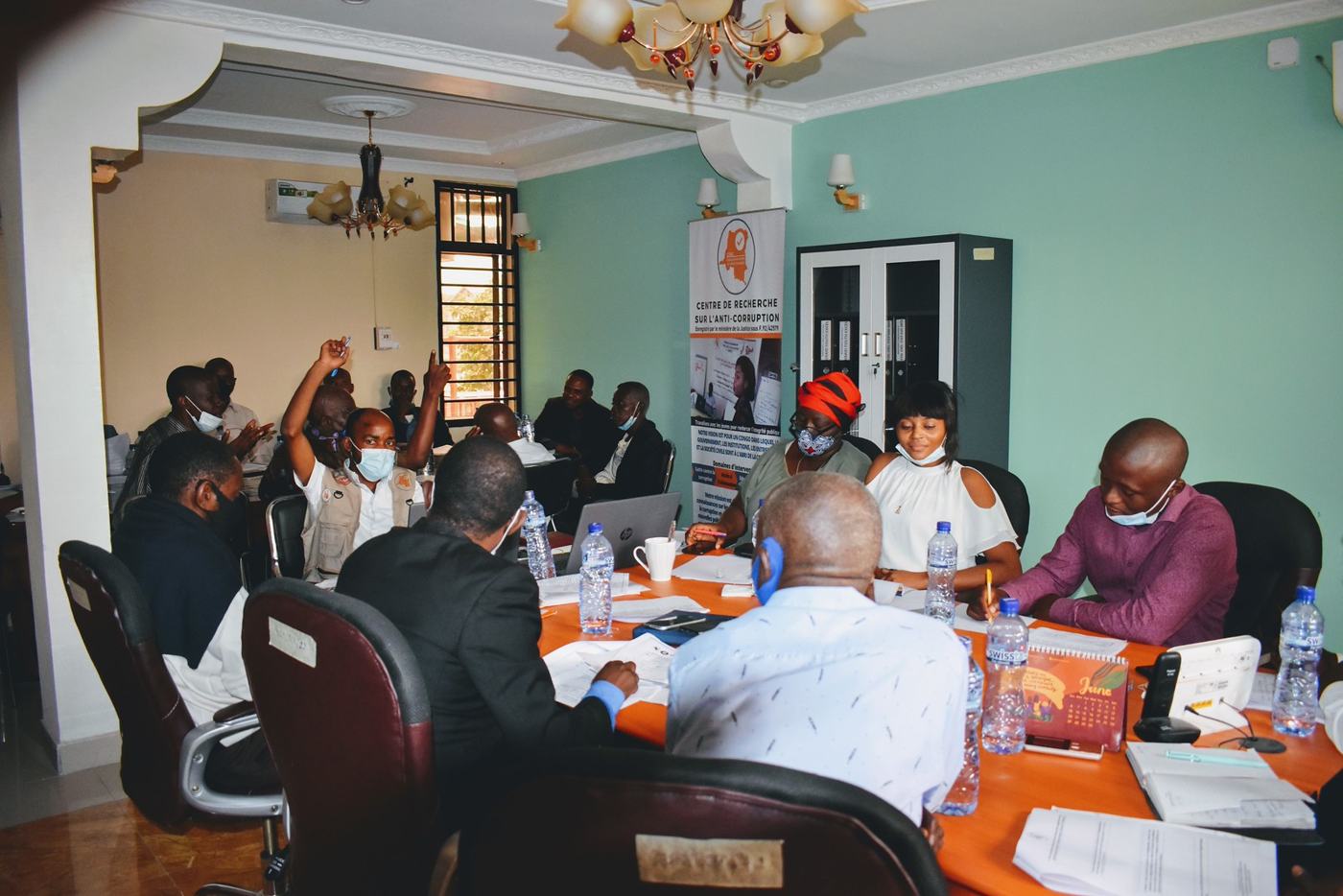
534 students and 89 teachers and head teachers in South Kivu and Kinshasa told us what makes young people monitor the services of their communities – and what stops them.
Students want to be agents of change. What stops them is fear, cost and a lack of support.
No food after school, no transport, no rain gear and no letter of authorisation are enough to keep monitors at home.
Support run from far away, visits that stop and allowances not paid cost us the trust of monitors.
Where focal teachers and head teachers are active, clubs thrive; families who are informed support their children.
Girls fear sexual harassment, boys arrest: protection must be part of the model from the start.
Without success stories and without following former monitors, neither motivation nor impact can last.
We assess our projects against the six OECD-DAC evaluation criteria, used by the World Bank, the European Union and most development partners, and we study behaviour with our 4E approach: Enable, Encourage, Engage, Exemplify.
Does the project do the right things – does it answer the needs and priorities of the people it serves?
Does it work with the other actors and programmes in the same place?
Is it achieving its objectives, and for whom?
Are resources used well – are results delivered on time and at a reasonable cost?
What difference does it make, intended or not?
Will the benefits last when the project ends?
Our project reports set out what each project achieved, what it cost and what it taught us.
Report what you see in your school or health centre. Your feedback helps make education and health services in the DRC better and more transparent.


