

 Feature storyCase study: how DigitalOcean’s cloud credits keep citizen monitoring online in the DRC
Press releaseBy CERC
Anti-corruption bill declared admissible: CERC welcomes a long-awaited reform in the DRC
The DRC National Assembly has declared the anti-corruption bill admissible. CERC welcomes this long-awaited step, as the country has so far had no specific anti-corruption law.
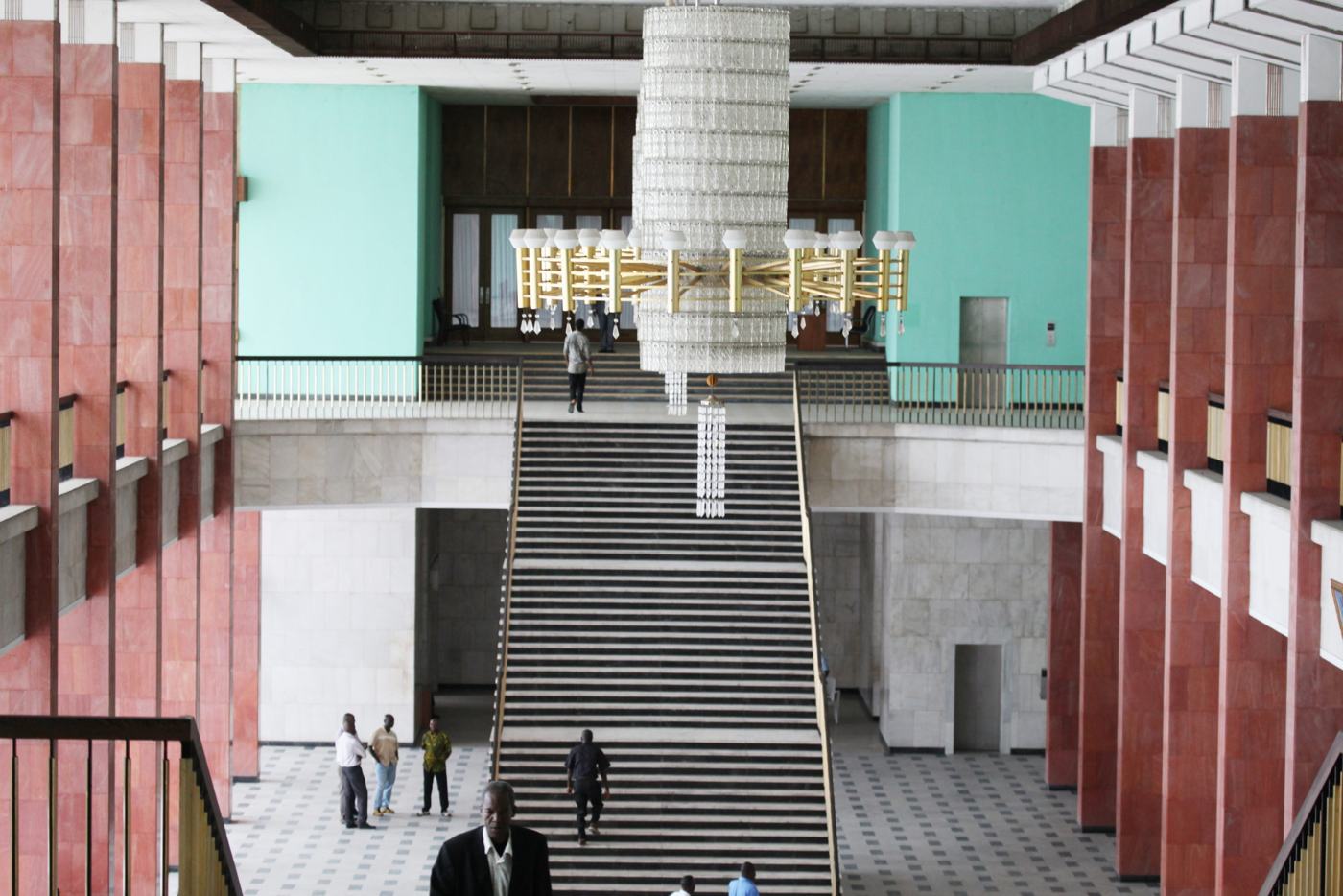
Kinshasa, 28 September 2026 – The National Assembly of the Democratic Republic of the Congo has declared admissible the bill on the fight against corruption. The text was presented in plenary at the Palais du Peuple by the Minister of State, Minister of Justice and Keeper of the Seals, Guillaume Ngefa Atondoko Andali, and declared admissible after a general debate in which more than forty members of parliament took part.
The Anti-Corruption Research Centre (CERC) welcomes this important step and encourages Parliament to see the bill through to adoption.
What the bill provides
Adopted by the Council of Ministers before being sent to Parliament, the bill has 144 articles in ten titles. It aims to strengthen the prevention and punishment of corruption and illicit enrichment, as well as asset recovery. According to the Minister of Justice, the reform rests on four pillars – prevention, detection, sanction and asset recovery – and provides in particular for:
- greater transparency in public procurement;
- revised rules on asset declarations;
- special investigative techniques;
- protection for witnesses, victims, experts and good-faith whistleblowers;
- new offences, tougher penalties and criminal liability for legal entities;
- the freezing, seizure, confiscation and return of the proceeds of corruption, supported by a specialised service.
For Minister Ngefa, fighting corruption is “an imperative of sovereignty, social justice and economic development”, and the bill represents “a structural reform”.
Why CERC supports this law
Until now, the DRC has had no specific law dedicated to fighting corruption. Prosecution has relied on scattered and outdated provisions of the Penal Code, which are not enough to punish the many forms of corruption effectively, protect those who report it, or recover stolen assets. As CERC highlighted in its civil society parallel report on UNCAC implementation (Is the DRC keeping its anti-corruption commitments? The civil society report), the absence of specialised anti-corruption laws continues to hold back the fight against corruption in the DRC; draft laws prepared as early as 2010 met with political resistance.
A dedicated law, aligned with the United Nations Convention against Corruption, would finally give judges, investigators and oversight institutions a clear and modern framework to prevent, prosecute and punish corruption.
Next steps
The bill now goes to the relevant committee of the National Assembly before a possible return to plenary for a vote. It must then be examined by the Senate and promulgated by the President of the Republic. CERC calls on parliamentarians to:
- review the text quickly and thoroughly, in consultation with civil society;
- keep essential safeguards in the final version, including whistleblower protection and asset recovery;
- provide the resources needed for its effective implementation.
CERC will follow the bill closely and continue to contribute its expertise so that the DRC adopts a strong anti-corruption law that is effectively enforced.
About CERC
The Centre de Recherche sur l’Anti-Corruption (CERC) is a Congolese non-governmental organisation founded in April 2017 in South Kivu. With young people at its heart, CERC works with schools, communities, public institutions and partners to promote transparency, accountability and integrity in the Democratic Republic of the Congo. It has held special consultative status with the United Nations Economic and Social Council (ECOSOC) since 2021. Learn more: Who we are.
Feature storyCase study: how DigitalOcean’s cloud credits keep citizen monitoring online in the DRC Feature storyFighting Corruption in Schools: CERC and APNAC DRC to propose Legislative Initiative to the National Assembly of the DRC
 Press releaseConflict gold now funds the ISIL-affiliated ADF in the DRC
 Press releaseSASA: the US$6.5 million scale-up swept away by the closure of USAID


