

Finding the young people.
The organisations identified 45 young people excluded from work and from community life.
Feature storyBy CERC
A year after researching why young people in Kinshasa are left out of education and work, nine youth organisations helped 45 of them back into work – in five businesses they now run themselves.
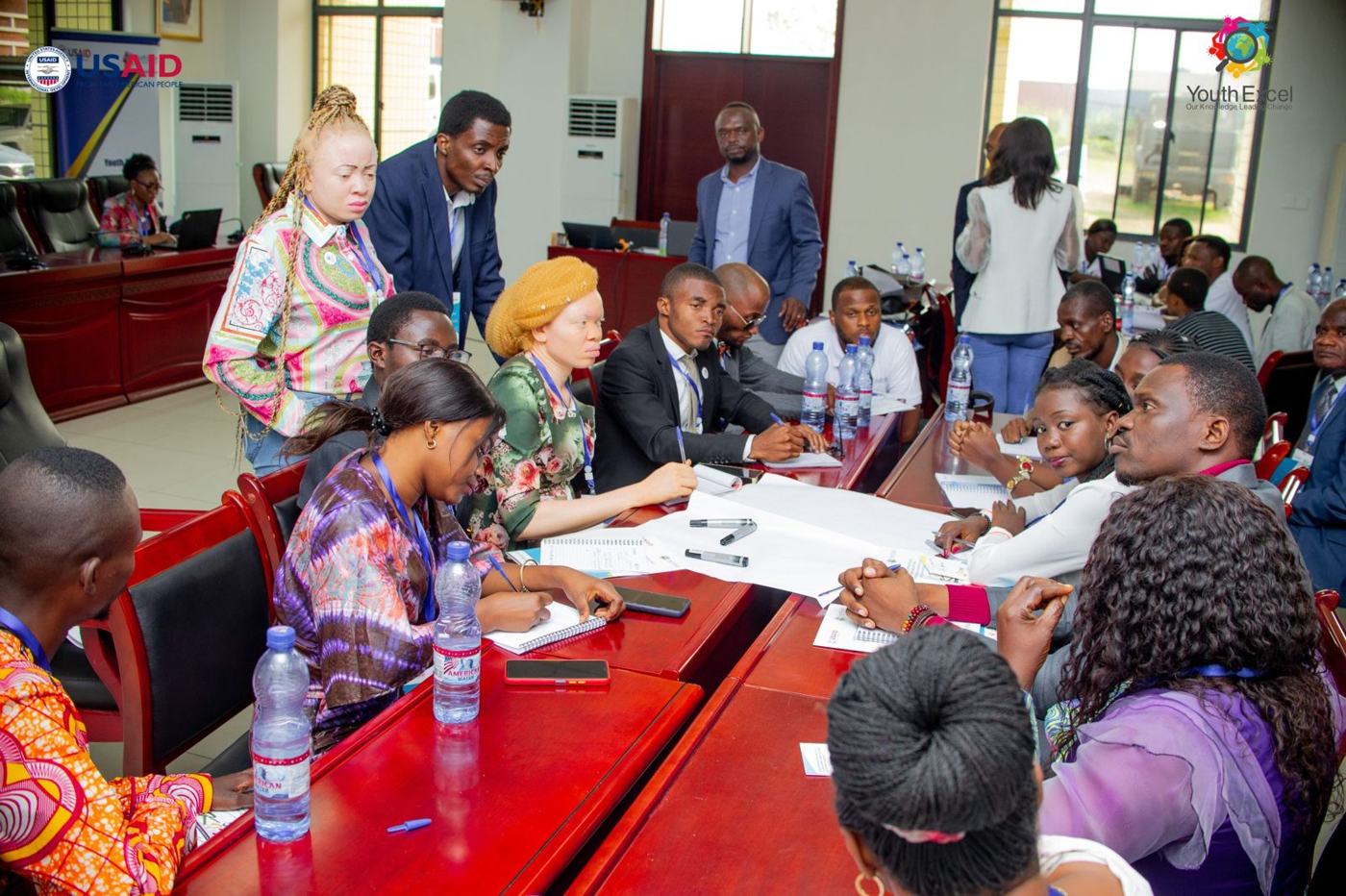
Kinshasa, 5 January 2024 – At the start of 2023, 45 young people in Kinshasa were out of school and out of work. Some needed psycho-social care before anything else; some needed detoxification. By the end of the year, they were running five small businesses of their own – and training other young people in turn. This is how they got there.
In 2021, under Youth Excel, funded by USAID through IREX, CERC trained and mentored ten youth-led and youth-serving organisations in Kinshasa. They formed an issue-based collaborative network, the ICON – among them an LGBTQI-led organisation and two organisations led by people living with disabilities.
Their question was simple: why are so many young people in Kinshasa left out of education and work, and what would bring them back in? Twenty young researchers went looking for answers, and in August 2022 they presented their findings to decision-makers at a Data Summit in Kinshasa.
The researchers did not stop at a report. Nine of the organisations – CINA, Congo pour tous, Jeunes Chefs d’État, Jeunialissime, Kin Car Wash, the Parlement des jeunes de Kinshasa, ASFG, SJUD and Ujuzi Sustainable Services – formed a consortium and wrote a joint action plan: the “Socio-economic reintegration of 45 young people with limited access to education, employment and other opportunities in the city of Kinshasa”.
They could have run ten small projects, one each. They chose to work together instead, and to pool their resources into five shared businesses: collaboration was the heart of the project.
The organisations identified 45 young people excluded from work and from community life.
They received psycho-social support and, where needed, help with detoxification.
Vocational and entrepreneurship training, mentoring and group activities helped them build skills and a network of support.
The young people formed five economic interest groups. CERC helped each group write its business plan, and each received equipment and a microgrant.
After IREX funding ended in February 2023, CERC stayed alongside the five groups through 10 months of online mentoring funded by the project, to December 2023, and helped them look for local partners to grow.
| Before (2022) | After (December 2023) |
|---|---|
| 45 young people out of school and out of work, some needing psycho-social care or detoxification. | The 45 young people work in five businesses they run themselves. |
| No trade, no equipment, no capital to start an activity. | Trained in a trade and in entrepreneurship; each group has its equipment, a business plan and a microgrant. |
| Youth organisations working separately, each on its own projects. | Nine organisations ran one joint plan and five shared businesses. |
| Young people of different backgrounds, genders and sexual orientations rarely working side by side. | They worked together, and their mutual acceptance grew, as their testimonies show. |
| Young people as recipients of programmes. | Young people as researchers, trainers and entrepreneurs: ICON members led leadership and entrepreneurship training, and one organisation lent its office for computer classes. |
| Evidence on youth exclusion missing from decisions. | Young researchers presented their evidence to decision-makers at the Data Summit, and then acted on it. |
The business plans were ambitious for the funds available, and coordinating nine organisations took regular meetings at CERC’s office. CERC now mentors the ICON members so that the five businesses can raise funds from local businesses, international organisations and United Nations agencies – and the young people say they want to carry on.
Read more: Youth Excel Project Report 2021–2023.
The Centre de Recherche sur l’Anti-Corruption (CERC) is a Congolese non-governmental organisation founded in April 2017 in South Kivu. With young people at its heart, CERC works with schools, communities, public institutions and partners to promote transparency, accountability and integrity in the Democratic Republic of the Congo. It has held special consultative status with the United Nations Economic and Social Council (ECOSOC) since 2021. Learn more: Who we are.
 Feature storyCase study: how DigitalOcean’s cloud credits keep citizen monitoring online in the DRC
 Feature storyFighting Corruption in Schools: CERC and APNAC DRC to propose Legislative Initiative to the National Assembly of the DRC
 Press releaseThe DRC leaves the FATF grey list: a CERC recommendation implemented
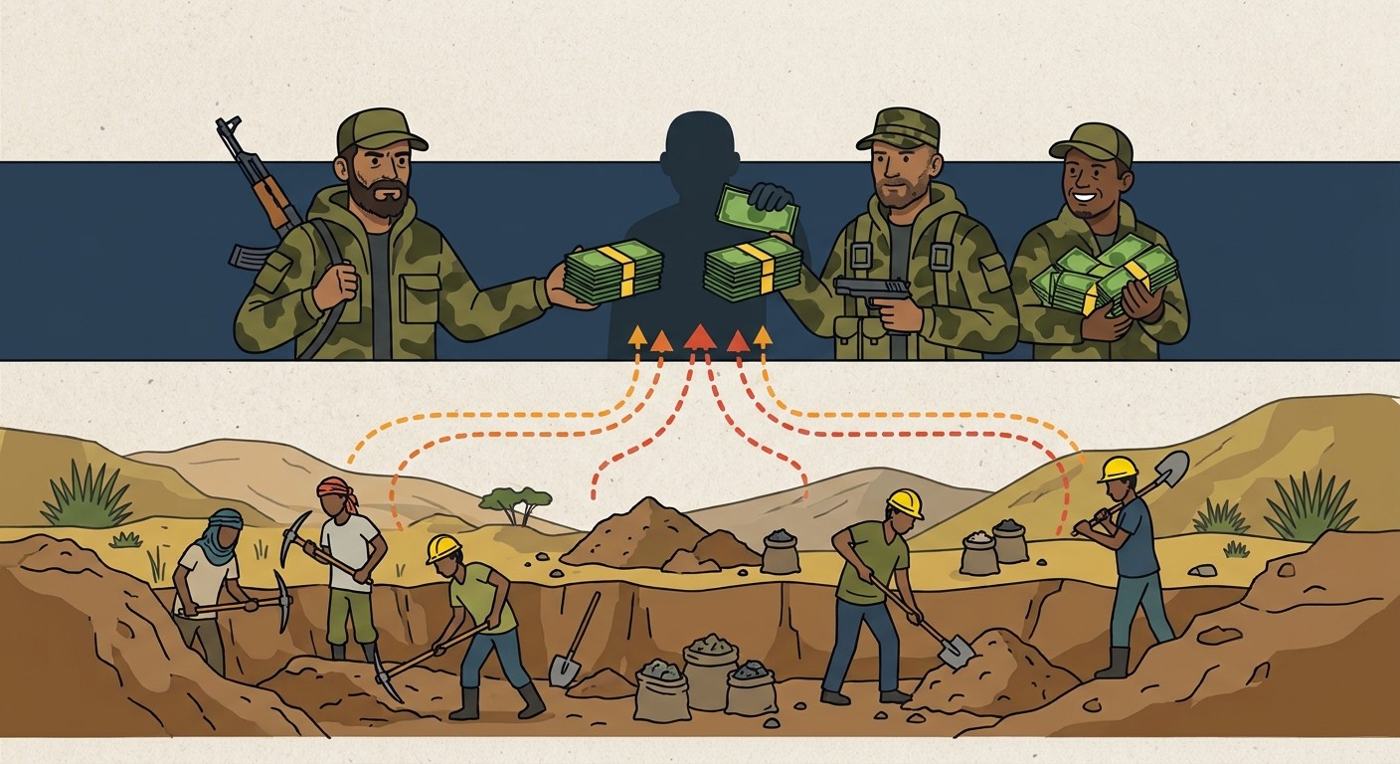 Press releaseConflict gold now funds the ISIL-affiliated ADF in the DRC

CERC’s assistant
Hello, I’m Exaucée, CERC’s assistant. How can I help you?
You can write your question, we will reply instantly.
Do not share personal information here. To report a case of corruption, use the whistleblowing page: it protects you.
Report what you see in your school or health centre. Your feedback helps make education and health services in the DRC better and more transparent.
 EduCheckMonitor your school: teacher attendance, school fees, water and sanitation, equipment.Go to EduCheck (opens in a new tab)
 HealthCheckMonitor your health centre: quality of care, medicines, fees and hygiene.Go to HealthCheck (opens in a new tab)
 GovCheckA problem in your neighbourhood or with a public service? Report it to your city or commune, and advocate until it is solved.Go to GovCheck (opens in a new tab)
 UNCAC TrackerFollow how the DRC implements the UN Convention against Corruption.Go to UNCAC Tracker (opens in a new tab)