

2021
CERC at the Anti-Corruption States-General
Invited as an expert by the Ministry of Justice, CERC spoke on prevention, integrity education and technology for transparency.
54 senior Ministry of Education officials and 19 anti-corruption experts helped shape a baseline strategy for the education sector.
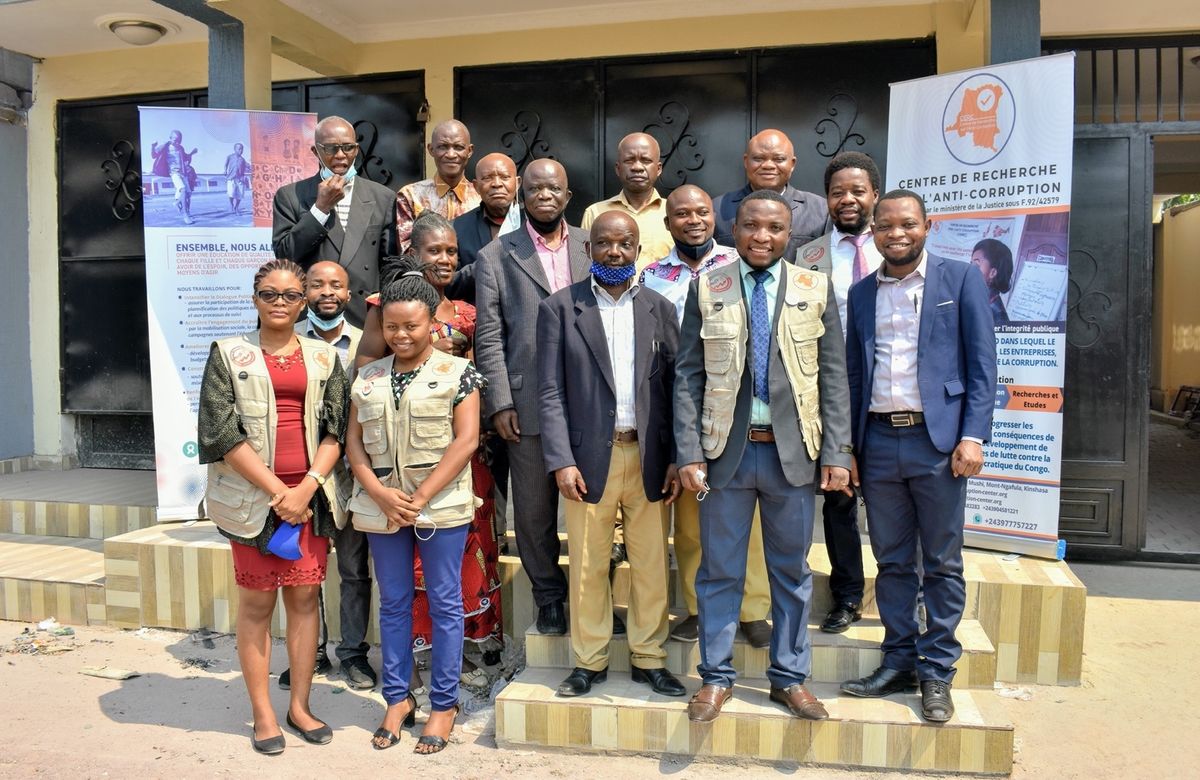
Corruption and a lack of accountability in education are well known, but speaking about them openly and acting on them requires reliable information. In 2021, CERC therefore carried out a series of studies to produce a baseline strategy that could shape policy and stimulate debate.
In June and July 2021, CERC conducted in-depth assessments and studies with 54 senior Ministry of Education officials and 19 anti-corruption practitioners and experts, leaders of civil society organisations, teachers’ unions and faith-based associations. The work, in Kinshasa and South Kivu, included four consultative workshops, baseline surveys in 41 secondary schools and a review of existing studies on corruption, youth participation and accountability.
In all, more than 600 education actors were brought together that year to improve accountability in the sector.
The findings produced a baseline strategy to influence education policy. They also made education actors – senior officials, teachers, students, head teachers and parents – more aware of the corruption issues that matter to students, and led to two projects to improve transparency and accountability in education policy.
2021
Invited as an expert by the Ministry of Justice, CERC spoke on prevention, integrity education and technology for transparency.

2021
Commissioned by the UNCAC Coalition, CERC assessed how the DRC applies the Convention and made around a hundred recommendations.
2021
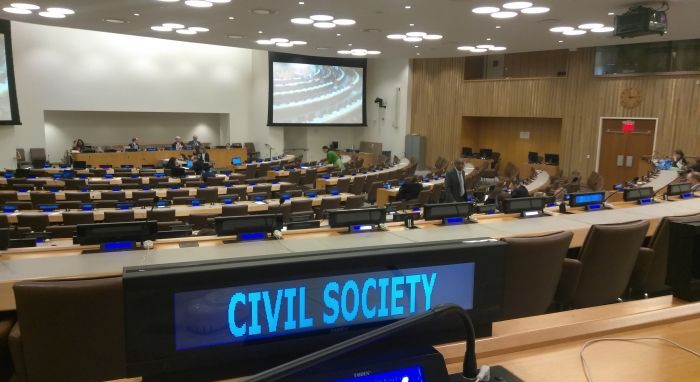
In July 2021, the UN Economic and Social Council granted CERC special consultative status.
Report what you see in your school or health centre. Your feedback helps make education and health services in the DRC better and more transparent.