
2022
What we learned from our Integrity Club model
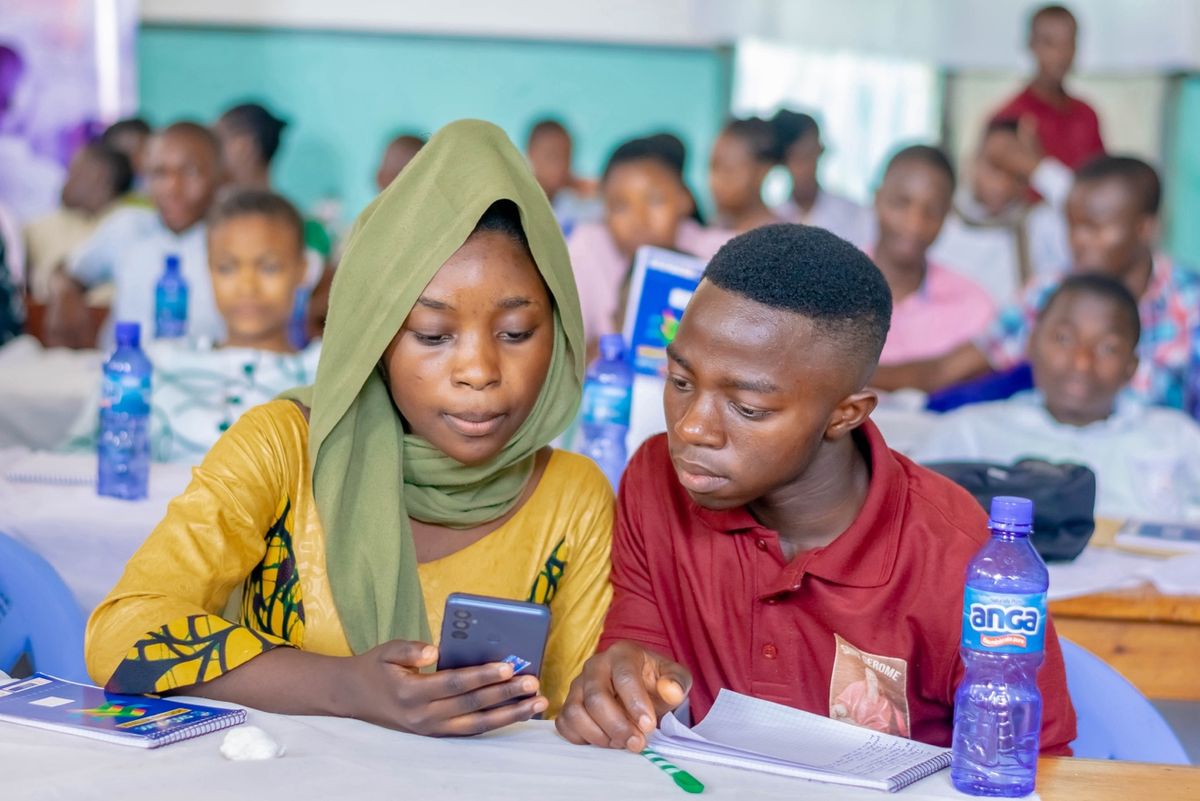
A knowledge, attitudes and practices survey of 2,250 students in 150 schools to improve how Integrity Clubs work.
With the African Parliamentarians’ Network Against Corruption, CERC drafted and submitted two bills on Integrity Clubs and integrity education.
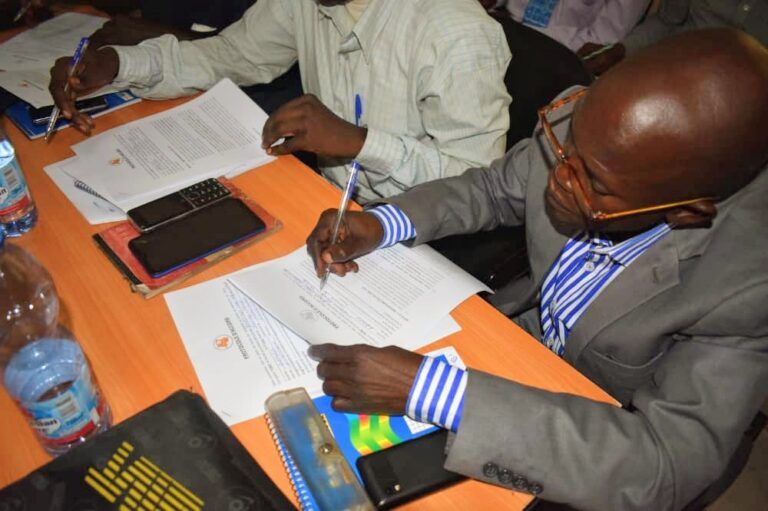
Teaching integrity in a few schools already makes a difference. But for every Congolese student to benefit, integrity education must be written into law and into the school curriculum. That is the purpose of CERC’s work with members of parliament.
In 2022, CERC partnered with the African Parliamentarians’ Network Against Corruption (APNAC DRC) to draft and submit two bills. They aim to establish Integrity Clubs and introduce an integrity education course in every secondary school in the country. The same year, APNAC DRC members of the National Assembly endorsed the initiative.
Developed with education specialists and civil society organisations, the text provides for Integrity Clubs to act as spaces for civic awareness led by elected students, who promote good practice, transparency and ethical values at school. The integrity education course will teach students about ethics, good governance and civic responsibility.
In April 2024, CERC and APNAC DRC took the bill to the National Assembly. By working directly with members of parliament, CERC wants integrity education not only to be taught but guaranteed by law – a foundation for raising, across the DRC, a new generation of citizens committed to integrity.
2022
A knowledge, attitudes and practices survey of 2,250 students in 150 schools to improve how Integrity Clubs work.
2021–2022
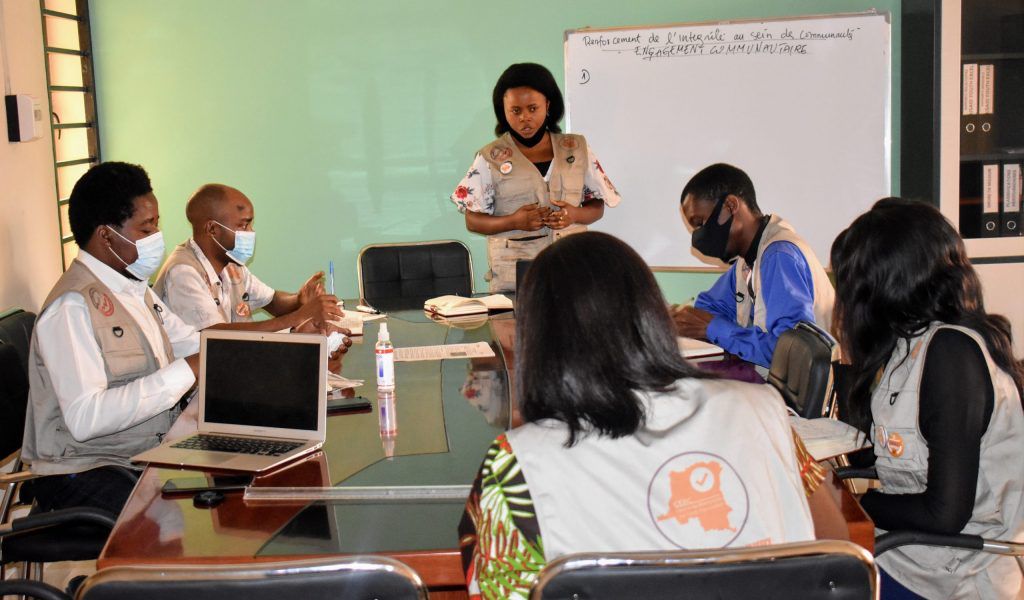
A network of 10 youth-led organisations, trained in implementation research, gender equality and inclusion.

2021
US$858,942 secured to keep 50 Integrity Clubs in South Kivu and open 100 new ones in Kinshasa, reaching 2,250 students.
Report what you see in your school or health centre. Your feedback helps make education and health services in the DRC better and more transparent.